Honey in Bread: Softer Crumb, Golden Crust and Better Keeping
Honey in bread is a baker's secret for soft, golden loaves that stay fresh longer. A spoonful of honey feeds the yeast, tenderizes the crumb, deepens crust color and adds gentle flavor. It is the backbone of honey wheat bread, challah and soft dinner rolls. This article explains what honey does in dough, how much to use, how to swap it for sugar, troubleshooting tips and which honeys work best. For a comparison with another bread sweetener, see honey vs barley malt syrup.
For general education only, not medical advice. Our honey is a food and is not intended to diagnose, treat, cure or prevent any disease.
What honey does in dough
Honey contains glucose and fructose, which yeast ferments easily, so it gives fermentation a gentle boost. Honey is also hygroscopic, meaning it attracts and holds water, which keeps bread moist and soft. Its sugars brown quickly in the oven, creating a deep golden crust.
Finally, honey adds flavor, from mild sweetness with clover to a rich, malty note with buckwheat.
How much honey to use
Typical amounts per 500 grams (about 4 cups) of flour:
| Bread style | Honey | Result |
|---|---|---|
| Lean bread | 1 tablespoon | Subtle flavor, better crust |
| Sandwich loaf | 2 tablespoons | Soft, lightly sweet |
| Honey wheat | 3 to 4 tablespoons | Noticeable sweetness, tender |
| Challah or enriched rolls | 3 to 4 tablespoons | Rich, soft, golden |
Swapping honey for sugar in bread
Honey is liquid, so reduce the water or milk by about one tablespoon for every two tablespoons of honey. Honey is also a bit sweeter, so you can use slightly less than the sugar called for. Watch the crust and tent with foil if it browns too quickly.
Our baking with honey guide has general swap rules.
Honey wheat sandwich bread
Mix 2 cups bread flour, 1.5 cups whole wheat flour, 2.25 teaspoons yeast and 1.5 teaspoons salt. Add 1.25 cups warm milk or water, 3 tablespoons honey and 2 tablespoons butter or oil. Knead until smooth, let rise until doubled, shape into a loaf, rise again, then bake at 350°F for 30 to 35 minutes.
- 2 cups bread flour
- 1.5 cups whole wheat flour
- 2.25 teaspoons yeast, 1.5 teaspoons salt
- 1.25 cups warm liquid
- 3 tablespoons honey, 2 tablespoons butter
Honey and whole grains
Whole wheat and rye flours can taste slightly bitter. Honey balances that bitterness and helps the bread stay moist, since whole grain loaves tend to dry out faster. It is one reason honey wheat bread is so popular.
Our article on honey and oats has ideas for oat breads too.
Honey in sourdough
A small amount of honey, about 1 to 2 percent of flour weight, can soften a sourdough crumb and add color without making it sweet. Too much honey can slow some sourdough cultures slightly, so start small.
Troubleshooting
Crust too dark? Lower the oven by 25°F or tent with foil. Dough too sticky? Reduce liquid next time or add a little flour. Slow rise? Very high honey levels can draw water from yeast, so stay within the ranges above. Dense loaf? Make sure the dough is well kneaded and fully risen.
Honey glazes for bread
Brush rolls or loaves with warm honey butter right after baking for a shiny, soft crust. For pretzels and bagels, a little honey in the boiling water deepens color. Our article on honey vs barley malt syrup explains bagel water.
Which honey to use
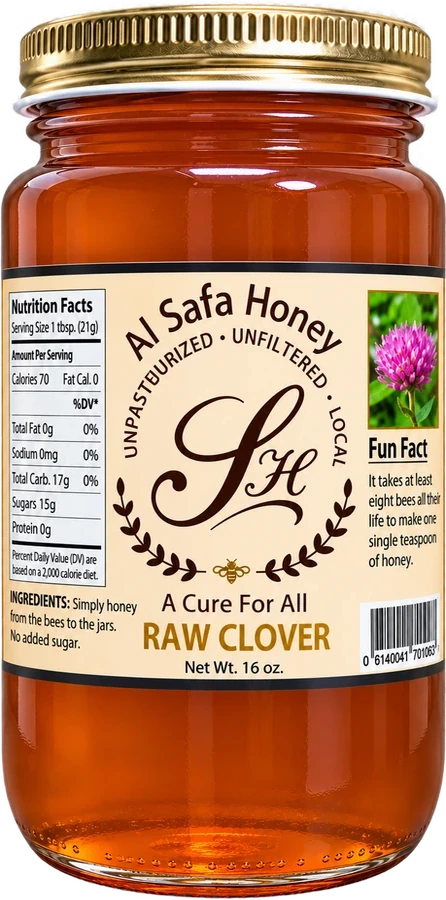
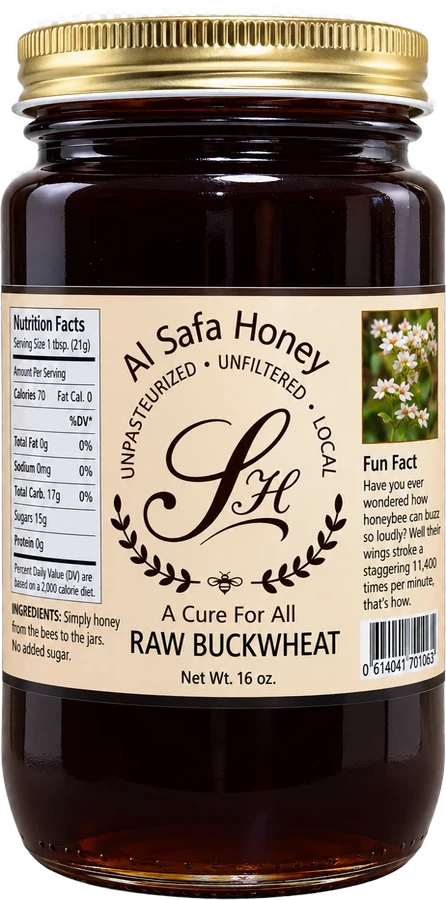
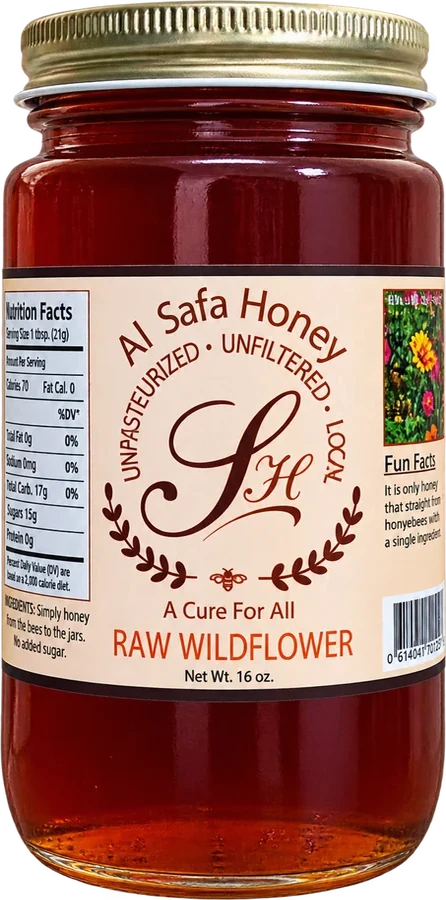
Raw Clover Honey, harvested in New York State, gives clean sweetness to sandwich loaves and rolls. Raw Buckwheat Honey adds malty depth to rye, pumpernickel and whole wheat. Raw Wildflower Honey is a flexible middle ground for oat and multigrain breads.
Crystallized honey works fine; warm it gently so it measures and mixes easily.
Storage and freshness
Honey breads stay soft a day or two longer than sugar breads because honey holds moisture. Store at room temperature in a bread box or bag for up to four days, or freeze slices for longer.
Honey butter to serve
Beat half a cup of softened butter with two tablespoons of honey and a pinch of salt. Serve with warm bread or rolls. Our whipped honey butter ideas go well with sunflower honey.
Safety note
Baking does not reliably destroy botulism spores, so baked goods made with honey are still not recommended for babies under 12 months, according to many pediatric sources. Never give honey to infants, as the CDC advises.
The takeaway on honey in bread
Honey in bread feeds yeast, softens the crumb, browns the crust and helps loaves stay fresh. Use one to four tablespoons per loaf, reduce liquid slightly and pick a honey that matches your flour.
Honey in bread machines
Bread machines handle honey well. Add it with the liquids, usually first in the pan, so it does not touch the yeast directly. Use the same amounts as for hand-made loaves, and choose the light crust setting, since honey breads brown more. Whole wheat cycles work well for honey wheat bread.
Honey for your next loaf
Bake with Raw Clover Honey for soft loaves or Raw Buckwheat Honey for hearty ones. Save with a 3 jar or 6 jar pack of any honey, and orders over $50 ship free. Visit our shop.
Sources
Outside health sources we used for this article. They open in a new tab.
- Honey: nutrient profile · USDA FoodData Central
- Foods and Drinks to Avoid or Limit (infants and toddlers) · Centers for Disease Control and Prevention
- Honey as Nutrient and Functional Food · Bee Product Science (Stefan Bogdanov)
Frequently asked questions
- Why add honey to bread?
- It feeds yeast, softens crumb, browns crust and keeps bread fresh.
- How much honey per loaf?
- About 1 to 4 tablespoons per 4 cups of flour.
- Can I replace sugar with honey in bread?
- Yes. Reduce liquid by about 1 tablespoon per 2 tablespoons honey.
- Why is my honey bread crust so dark?
- Honey browns quickly. Lower the oven or tent with foil.
- Can I use crystallized honey in bread?
- Yes. Warm it gently to measure easily.
- Which honey is best for whole wheat bread?
- Buckwheat or wildflower for depth; clover for mild flavor.
- Can babies eat bread made with honey?
- It is not recommended for babies under 12 months.
Al Safa Honey is a food producer, not a medical provider. Nothing here is medical advice, and these statements have not been evaluated by the Food and Drug Administration. Talk to your doctor about any health concern. Never give honey of any kind to a baby under 12 months old.