Honey vs Allulose: A Rare Sugar Meets a Classic Sweetener
Honey vs allulose is a newer comparison, as allulose has become popular in low-sugar baking and keto products. Allulose is a rare sugar found naturally in tiny amounts in foods like figs and raisins. It tastes much like sugar but has very few calories, and the FDA lets companies leave it out of the added sugars line on labels. Honey is a classic natural sugar full of flavor. This article compares honey vs allulose on calories, taste, baking, labeling and digestion. For another low-calorie comparison, see honey vs erythritol.
For general education only, not medical advice. Our honey is a food and is not intended to diagnose, treat, cure or prevent any disease.
What allulose is
Allulose, also called D-psicose, is a monosaccharide with the same chemical formula as fructose but a different structure. That small difference means the body absorbs it but does not metabolize most of it for energy, so it provides very few calories.
It occurs naturally in small amounts in figs, raisins, jackfruit and wheat. Commercial allulose is made from corn or other starches using enzymes.
How allulose appears on food labels
In 2019, the FDA announced that allulose can be left out of the total sugars and added sugars counts on Nutrition Facts labels, though it still counts toward total carbohydrates. The agency noted allulose has about 0.4 calories per gram, far less than the 4 calories per gram of table sugar.
Honey, by contrast, counts fully as added sugar when added to foods.
Honey vs allulose at a glance
Key differences:
| Feature | Honey | Allulose |
|---|---|---|
| Calories per gram | About 3 | About 0.4 |
| Sweetness vs sugar | Slightly sweeter | About 70 percent |
| Form | Liquid or creamy | Granulated or syrup |
| Flavor | Floral to malty | Clean, sugar-like |
| Label | Counts as added sugar | Excluded from sugars lines |
Taste and texture
Allulose tastes remarkably like sugar, without the cooling effect of erythritol or the aftertaste some notice with stevia. It is less sweet, so recipes need more of it. Honey has its own distinct flavor from the flowers bees visit, which can be an asset or a drawback depending on the dish.
Baking with allulose vs honey
Allulose browns even faster than sugar, a useful trait for cookies and cakes, but it means baked goods can darken quickly. Lower oven temperatures and watch closely. It also keeps baked goods soft and moist.
Honey also browns quickly and adds moisture. Use about three quarters as much honey as sugar, reduce other liquids slightly and lower the oven by 25°F. Our baking with honey guide explains the details.
Digestion
Most allulose passes through the body unchanged. In larger amounts, it can cause bloating, gas or loose stools in some people. Start with small servings to see how you tolerate it. Honey is mostly glucose and fructose; people with fructose malabsorption may also find large servings uncomfortable.
Blood sugar
Allulose has minimal impact on blood glucose, which makes it appealing for people with diabetes or following low-carb diets. Honey raises blood sugar and needs to be counted. Our article on honey vs sugar for blood sugar explains more. People with diabetes should follow their care team's advice.
Cost and availability
Allulose is still more expensive than sugar and less widely sold, though it is increasingly common in stores and online. Raw honey is widely available, with single-origin honeys priced as specialty foods.
Combining honey and allulose
Some bakers combine them: allulose for most of the sweetness and browning, plus a spoon of honey for flavor. That approach can cut sugar while keeping some of honey's character. For drinks, a little honey with an allulose syrup works similarly.
- Use allulose for bulk sweetness
- Add honey for aroma and flavor
- Lower the oven and watch browning
- Taste and adjust
Safety notes
Allulose is considered safe for general use under FDA's review of GRAS notices. Never give honey to babies under 12 months. Ask a pediatrician before giving low-calorie sweeteners to young children.
When to choose honey
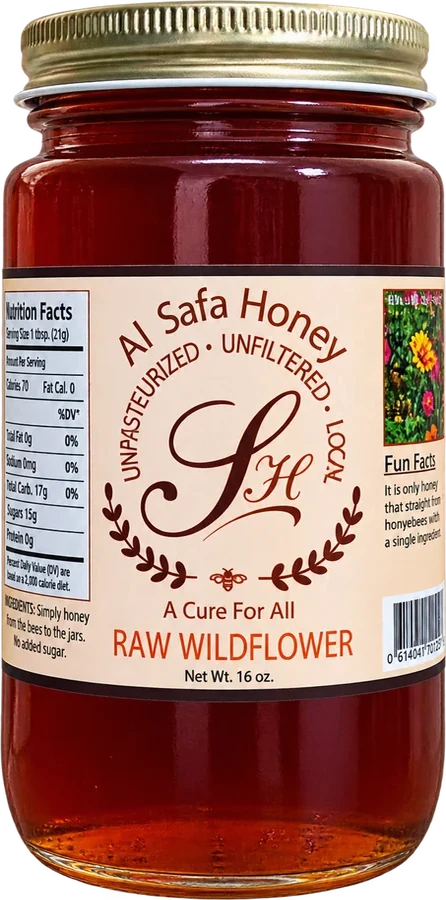
Choose honey when flavor is the point: a drizzle over Greek yogurt, a honey glaze on salmon, a spoon in chamomile tea. Raw Wildflower Honey, harvested in New York State, is a flexible everyday honey, and Raw Orange Blossom Honey, from Florida, adds a fragrant lift.
The takeaway on honey vs allulose
Honey vs allulose is a choice between flavor and calorie savings. Allulose tastes like sugar with few calories and browns well; honey brings aroma and tradition but counts as added sugar. Use each where it fits best.
Honey vs allulose in frozen desserts
Allulose lowers the freezing point of ice cream much like sugar does, so homemade low-sugar ice cream made with allulose stays scoopable rather than rock hard. Honey also keeps ice cream soft and adds a lovely floral note, though it counts fully as sugar. A popular approach is to use allulose for most of the sweetness and swirl a ribbon of honey through the finished ice cream for flavor.
Either way, let homemade ice cream sit at room temperature for a few minutes before scooping.
Make every spoon count
When you reach for honey, choose one worth tasting. Explore our raw honeys in the shop. Save with a 3 jar or 6 jar pack of any honey, and orders over $50 ship free.
Sources
Outside health sources we used for this article. They open in a new tab.
- FDA In Brief: FDA allows low-calorie sweetener allulose to be excluded from total and added sugars counts · U.S. Food and Drug Administration
- Honey: nutrient profile · USDA FoodData Central
- How much sugar is too much? · American Heart Association
Frequently asked questions
- What is allulose?
- A rare sugar found in small amounts in figs and raisins, with very few calories.
- Does allulose count as added sugar?
- No. The FDA allows it to be excluded from sugars on labels.
- How sweet is allulose?
- About 70 percent as sweet as table sugar.
- Can I bake with allulose instead of honey?
- Yes, but it browns quickly, so lower the oven and watch closely.
- Does allulose raise blood sugar?
- It has minimal effect on blood glucose.
- Can allulose upset digestion?
- Large amounts may cause bloating or loose stools.
- Is allulose safe?
- The FDA has reviewed it as safe for general use under GRAS notices.
Al Safa Honey is a food producer, not a medical provider. Nothing here is medical advice, and these statements have not been evaluated by the Food and Drug Administration. Talk to your doctor about any health concern. Never give honey of any kind to a baby under 12 months old.