Honey vs Monk Fruit: Natural Sugar vs Zero-Calorie Sweetener
Honey vs monk fruit is a comparison between two very different sweeteners. Honey is a natural sugar with calories and complex flavor. Monk fruit sweetener is a high-intensity, zero-calorie extract from a small melon native to southern China. Each has its place: monk fruit for cutting calories and sugar, honey for flavor, texture and tradition. This article compares honey vs monk fruit on taste, calories, baking, safety and labeling. For another comparison, see honey vs coconut sugar.
For general education only, not medical advice. Our honey is a food and is not intended to diagnose, treat, cure or prevent any disease.
What monk fruit is
Monk fruit, or luo han guo, is a small green melon grown in southern China. Its sweetness comes from compounds called mogrosides, which are intensely sweet but provide no meaningful calories. The fruit has been used in traditional Chinese cooking and drinks for centuries.
Commercial monk fruit sweetener is an extract of these compounds, usually mixed with other ingredients to make it easier to measure.
FDA status
The FDA's page on high-intensity sweeteners notes that GRAS notices have been submitted for monk fruit extracts and that the FDA has not questioned those determinations under the intended conditions of use. It also notes that an acceptable daily intake has not been specified for monk fruit.
Honey vs monk fruit at a glance
Key differences:
| Feature | Honey | Monk fruit sweetener |
|---|---|---|
| Source | Bees and flower nectar | Monk fruit extract |
| Calories per tablespoon | About 64 | About 0 (pure extract) |
| Sweetness | Slightly sweeter than sugar | Many times sweeter than sugar |
| Flavor | Floral to malty | Clean sweetness, sometimes a slight aftertaste |
| Baking | Browns, adds moisture | No browning or bulk on its own |
Taste differences
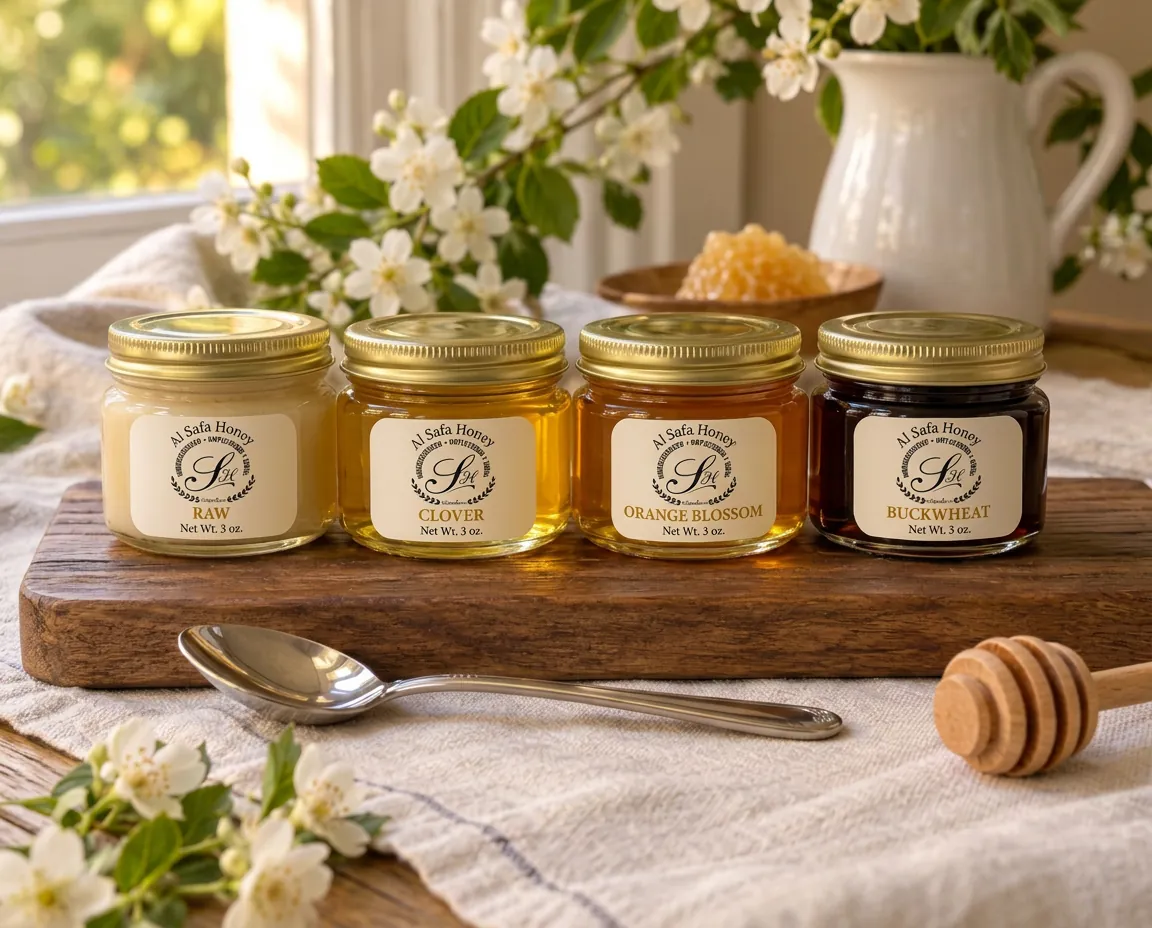
Honey's flavor changes with the flowers: citrusy orange blossom, clean clover, malty buckwheat. It adds aroma as well as sweetness. Monk fruit tastes intensely sweet with a clean start, though some people notice a fruity or slightly bitter aftertaste, especially in large amounts.
Read the label on monk fruit products
Because pure monk fruit extract is so concentrated, most products are blended with bulking agents like erythritol, dextrose or other sweeteners. Some cup-for-cup blends are mostly erythritol. Check the ingredient list if you want to avoid particular ingredients. Our article on honey vs erythritol covers that sweetener.
Baking with monk fruit vs honey
Sugar and honey do more than sweeten baked goods: they add bulk, moisture, tenderness and browning. Monk fruit on its own provides none of these, which is why baking blends add bulking agents. Results can be drier and paler.
Honey browns faster and adds moisture, so use about three quarters as much honey as sugar, reduce liquids and lower the oven by 25°F. Our baking with honey guide explains more.
Drinks and everyday use
Monk fruit dissolves easily in hot and cold drinks and is popular in coffee, tea and lemonade for people cutting sugar. Honey adds flavor and body to tea and is classic in honey lemon water, though it dissolves best in warm liquids.
Our honey lemon water guide has tips.
Blood sugar and diabetes
Monk fruit does not raise blood sugar meaningfully, which makes it appealing for people managing diabetes. Honey is a sugar and raises blood sugar; it must be counted in carbohydrate plans. Our article on honey vs sugar for blood sugar explains more. People with diabetes should follow their care team's advice.
Combining both
Some cooks use a mix: a little honey for flavor and browning, with monk fruit to reduce total sugar. For example, sweeten tea with half a teaspoon of honey plus a pinch of monk fruit, or glaze a cake with honey while using a monk fruit blend in the batter.
Cost
Monk fruit sweeteners are more expensive than sugar by weight, though small amounts go far. Raw single-origin honey is also a premium product. Consider how much you use and what you value most.
Safety notes
Never give honey to babies under 12 months. Ask a pediatrician before giving high-intensity sweeteners to young children. People sensitive to sugar alcohols should check monk fruit blends for erythritol, which can cause digestive upset in large amounts.
When honey makes sense
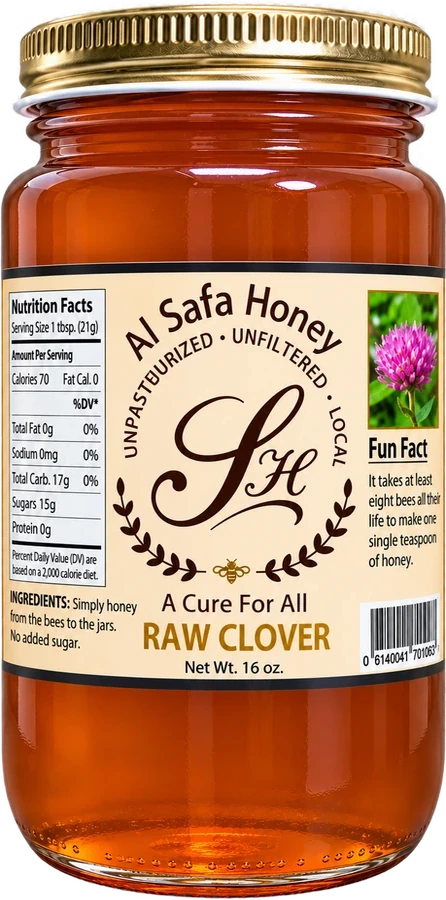
Choose honey when flavor, texture and tradition matter: a drizzle over yogurt, a glaze on carrots, a spoon in chamomile tea, or a honey cake. Raw Clover Honey from New York State is mild for everyday use, and Raw Orange Blossom Honey from Florida adds fragrant flair.
The takeaway on honey vs monk fruit
Honey vs monk fruit is a trade-off between flavor and calories. Monk fruit cuts sugar and calories; honey adds aroma, moisture and browning. Use each where it fits, and keep honey within added sugar limits.
Honey vs monk fruit for kids' lunches
For families, the choice often comes down to taste and habits. A thin drizzle of honey on peanut butter toast for a child over 12 months is a familiar treat. Monk fruit is mostly used in drinks and packaged foods. Many dietitians suggest helping children enjoy less sweet food overall rather than relying on any sweetener.
Find a honey worth savoring
When you use honey, make it count. Explore our raw honeys in the shop. Save with a 3 jar or 6 jar pack of any honey, and orders over $50 ship free.
Sources
Outside health sources we used for this article. They open in a new tab.
- High-Intensity Sweeteners · U.S. Food and Drug Administration
- Honey: nutrient profile · USDA FoodData Central
- How much sugar is too much? · American Heart Association
Frequently asked questions
- Is monk fruit healthier than honey?
- It has no calories, while honey has flavor and texture. They serve different purposes.
- Has the FDA reviewed monk fruit?
- The FDA has not questioned GRAS notices for monk fruit extracts.
- Does monk fruit raise blood sugar?
- Not meaningfully. Honey does raise blood sugar.
- Can I bake with monk fruit instead of honey?
- You can, but expect less browning and moisture. Blends add bulk.
- Why do monk fruit products contain erythritol?
- Pure extract is very concentrated, so bulking agents are added.
- Does monk fruit have an aftertaste?
- Some people notice a slight aftertaste, especially in large amounts.
- Can I combine honey and monk fruit?
- Yes. A little honey adds flavor while monk fruit reduces total sugar.
Al Safa Honey is a food producer, not a medical provider. Nothing here is medical advice, and these statements have not been evaluated by the Food and Drug Administration. Talk to your doctor about any health concern. Never give honey of any kind to a baby under 12 months old.