Honey vs Artificial Sweeteners: Calories, Research and Taste
Honey vs artificial sweeteners is one of the most common sweetener debates. Artificial sweeteners like sucralose, aspartame and saccharin offer intense sweetness with few or no calories. Honey is a natural sugar with calories and complex flavor. In 2023, the World Health Organization added a new perspective, advising against using non-sugar sweeteners for weight control. This article compares honey vs artificial sweeteners on calories, taste, baking, regulation and research. For plant-based options, see honey vs monk fruit.
For general education only, not medical advice. Our honey is a food and is not intended to diagnose, treat, cure or prevent any disease.
What counts as an artificial sweetener
Artificial or high-intensity sweeteners are compounds many times sweeter than sugar, so tiny amounts are used. The FDA's high-intensity sweeteners page lists approved ones including aspartame, sucralose, saccharin, acesulfame potassium, neotame and advantame, plus plant-derived stevia and monk fruit extracts under GRAS notices.
Honey vs artificial sweeteners at a glance
Here is how they compare:
| Sweetener | Sweetness vs sugar | Calories | Heat stable |
|---|---|---|---|
| Honey | Slightly sweeter | About 64 per tablespoon | Yes, browns quickly |
| Sucralose | About 600 times | Essentially none | Mostly |
| Aspartame | About 200 times | Very few | No, breaks down with heat |
| Saccharin | About 200 to 700 times | None | Yes |
| Acesulfame K | About 200 times | None | Yes |
The 2023 WHO guideline
In May 2023, the World Health Organization advised against using non-sugar sweeteners to control body weight or reduce the risk of noncommunicable diseases. Its review found no long-term benefit for body fat and possible links with type 2 diabetes and heart disease in observational studies. The recommendation is conditional and does not apply to people with existing diabetes.
WHO suggested reducing overall sweetness rather than swapping sugar for sweeteners.
Taste differences
Artificial sweeteners provide sweetness without much else, and some people notice a bitter or metallic aftertaste. Honey brings aroma and flavor that change with the flowers, which can make a smaller amount more satisfying.
Baking
Most artificial sweeteners do not provide bulk, browning or moisture, so baking requires special blends or recipes. Aspartame breaks down with heat and is not suited to baking. Honey browns, adds moisture and keeps baked goods soft. Our baking with honey guide explains how to use it.
Calories and blood sugar
Artificial sweeteners provide few or no calories and do not raise blood sugar directly, which is why they are common in diet drinks and for people managing diabetes. Honey provides calories and raises blood sugar, so it counts toward added sugar limits.
Our article on honey and weight management discusses honey in a balanced diet.
Special cases
People with phenylketonuria (PKU) must avoid aspartame because it contains phenylalanine; products with aspartame carry a warning. Babies under 12 months should never have honey because of infant botulism risk.
A middle path
Many people find a middle path works best: gradually reduce how sweet food and drinks taste, use flavorful sweeteners in small amounts, and save sweets for occasional moments.
- Taste before sweetening
- Halve the sweetener in drinks over a few weeks
- Use a flavorful honey so a little goes far
- Choose water, unsweetened tea or sparkling water often
Diet drinks vs honey drinks
A can of diet soda has no sugar, while a homemade honey lemonade might have 10 to 15 grams. A good compromise is a lightly sweetened drink: a teaspoon of honey in a large glass of iced tea with lemon. Our honey lemon water guide has ideas.
Reading labels
Many products combine sweeteners. A drink labeled with stevia may also contain erythritol or sucralose. Check the ingredient list for each sweetener if you want to avoid particular ones. Our article on honey vs erythritol covers one common blend ingredient.
When honey makes sense
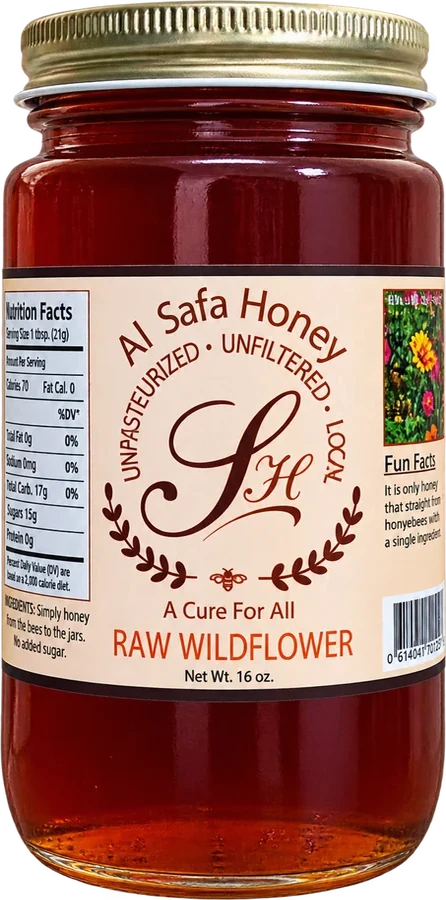
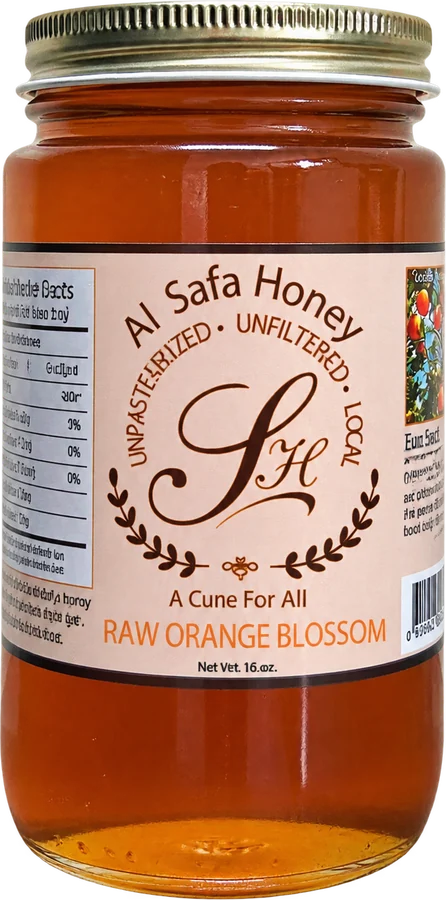
Choose honey for flavor-forward uses: a drizzle on yogurt, a spoon in tea, a glaze on roasted vegetables. Raw Wildflower Honey, harvested in New York State, is versatile, and Raw Orange Blossom Honey from Florida adds a fragrant lift so a little feels like enough.
The takeaway on honey vs artificial sweeteners
Honey vs artificial sweeteners is a trade-off between flavor with calories and sweetness without them. Regulators consider approved sweeteners safe under set conditions, while WHO advises against relying on them for weight control. Using less of any sweetener is the common ground.
Honey vs artificial sweeteners in coffee and tea
Many people use sucralose packets in coffee for zero calories. A teaspoon of honey adds about 21 calories and a gentle floral note that some people find more satisfying, so they use less. In tea, honey's aroma pairs especially well with green, black and herbal blends. Our honey in coffee guide explains how to add honey without it clumping.
Kids and sweeteners
Pediatric groups generally encourage limiting both added sugars and non-sugar sweeteners for young children, and helping them enjoy water, milk and unsweetened foods. For children over 12 months, a small drizzle of honey on oatmeal is a familiar treat in moderation. Babies under 12 months must never have honey.
Savor less, enjoy more
Pick a honey you love and use just a little. Explore our raw honeys in the shop. Save with a 3 jar or 6 jar pack of any honey, and orders over $50 ship free.
Sources
Outside health sources we used for this article. They open in a new tab.
- High-Intensity Sweeteners · U.S. Food and Drug Administration
- WHO advises not to use non-sugar sweeteners for weight control in newly released guideline · World Health Organization
- How much sugar is too much? · American Heart Association
Frequently asked questions
- Is honey better than artificial sweeteners?
- Honey has flavor and calories; sweeteners have sweetness without calories. Each has trade-offs.
- Are artificial sweeteners safe?
- The FDA considers approved sweeteners safe under set conditions of use.
- What did WHO say about sweeteners in 2023?
- It advised against using non-sugar sweeteners for long-term weight control.
- Can I bake with artificial sweeteners?
- Some, with special recipes. Aspartame breaks down with heat.
- Do artificial sweeteners raise blood sugar?
- Not directly. Honey does.
- Who should avoid aspartame?
- People with phenylketonuria (PKU).
- How can I use less sweetener?
- Reduce gradually and choose flavorful sweeteners in small amounts.
Al Safa Honey is a food producer, not a medical provider. Nothing here is medical advice, and these statements have not been evaluated by the Food and Drug Administration. Talk to your doctor about any health concern. Never give honey of any kind to a baby under 12 months old.