Honey vs Xylitol: Teeth, Baking and a Warning for Dog Owners
Honey vs xylitol compares a natural sugar with a sugar alcohol best known from sugar-free gum. Xylitol looks and tastes much like sugar but has fewer calories and does not feed the bacteria that cause tooth decay, which is why it appears in gum, mints and toothpaste. Honey brings real flavor and calories. There is also an important safety issue: xylitol is highly toxic to dogs. This article compares honey vs xylitol on calories, taste, dental use, baking and pet safety. For another sugar alcohol, see honey vs erythritol.
For general education only, not medical advice. Our honey is a food and is not intended to diagnose, treat, cure or prevent any disease.
What xylitol is
Xylitol is a sugar alcohol found naturally in small amounts in some fruits, vegetables and birch trees. Commercially, it is made from birch wood or corn cobs. It looks like granulated sugar and tastes nearly as sweet, with a slight cooling effect.
It provides about 2.4 calories per gram, compared with 4 for sugar and about 3 for honey by weight.
Honey vs xylitol at a glance
Key differences:
| Feature | Honey | Xylitol |
|---|---|---|
| Type | Natural sugar | Sugar alcohol |
| Calories per gram | About 3 | About 2.4 |
| Sweetness | Slightly sweeter than sugar | About equal to sugar |
| Tooth decay | Can contribute | Does not feed decay bacteria |
| Dog safety | Not toxic, but sugary | Highly toxic to dogs |
The dog safety warning
The FDA warns that xylitol can cause a rapid insulin release in dogs, leading to dangerously low blood sugar within 10 to 60 minutes. Symptoms include vomiting, weakness, staggering, collapse and seizures. Liver damage can follow.
Xylitol hides in sugar-free gum, mints, baked goods, some peanut butters, toothpaste, chewable vitamins and medicines. If a dog eats xylitol, call a vet or animal poison control immediately.
- Keep sugar-free gum and mints out of reach
- Check nut butter labels before giving to dogs
- Use pet toothpaste only for pets
- Call a vet right away after any exposure
Xylitol and teeth
Mouth bacteria cannot ferment xylitol into acid the way they do with sugar, so xylitol does not cause cavities. That is why dentists sometimes recommend xylitol gum after meals. Honey, like other sugars, can contribute to tooth decay if teeth are not cleaned.
Our journal article on raw honey and dental care discusses honey and oral health.
Digestion
Like other sugar alcohols, xylitol is not fully absorbed. Large amounts can cause gas, bloating and diarrhea. Most people tolerate small amounts, and tolerance can build over time. Honey is better absorbed, though people with fructose malabsorption may have symptoms with large servings.
Baking with xylitol vs honey
Xylitol can replace sugar one to one in many recipes, though it does not caramelize the same way and does not work with yeast, which cannot ferment it. Honey browns quickly, adds moisture and feeds yeast in bread. Our article on honey in bread explains how.
Never share xylitol-sweetened baked goods with dogs.
Blood sugar
Xylitol has a small effect on blood sugar, much lower than sugar or honey. That makes it popular in products for people with diabetes. Honey raises blood sugar and needs to be counted as carbohydrate.
Taste
Xylitol tastes very close to sugar, with a gentle cooling note. Honey has its own flavor, from mild clover to bold buckwheat, which makes it more of an ingredient than just a sweetener.
Which to choose
Choose xylitol for sugar-free gum, mints and some low-sugar recipes, if you have no dogs or store it safely. Choose honey for flavor in tea, dressings, glazes and baking. If you have dogs, consider avoiding xylitol entirely at home.
Safety notes
Never give honey to babies under 12 months. Ask a pediatrician before giving sugar alcohols to young children, since they can cause diarrhea. Keep all xylitol products away from pets.
When honey makes sense
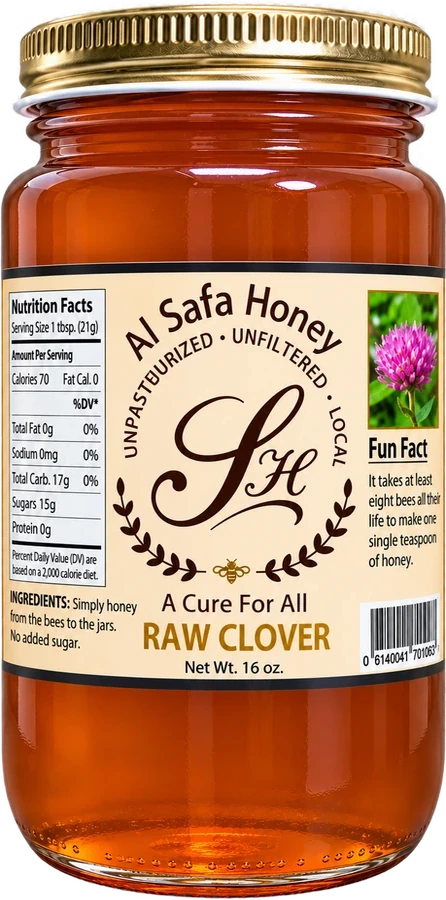
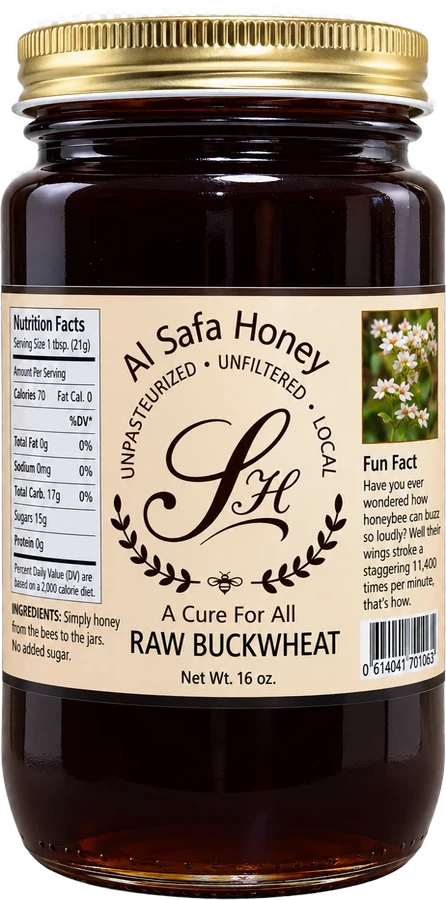
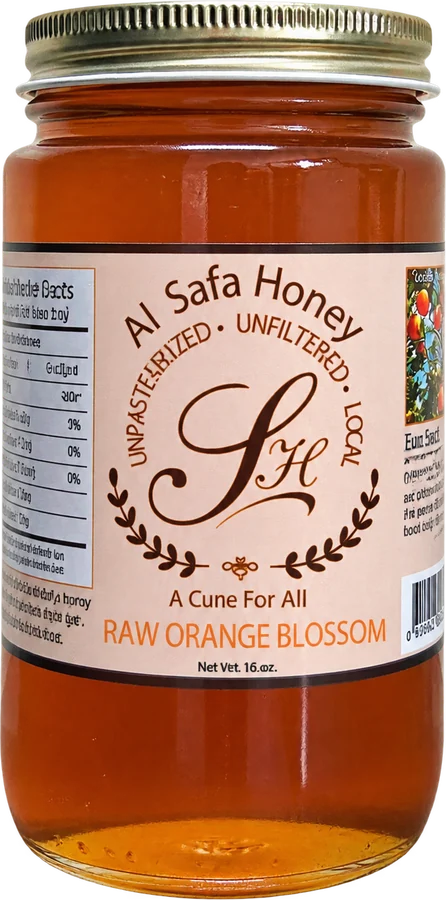
Honey shines where flavor matters: Raw Clover Honey, harvested in New York State, for tea and toast; Raw Buckwheat Honey, also from New York State, for gingerbread and glazes; and Raw Orange Blossom Honey, from Florida, for fruit and yogurt.
The takeaway on honey vs xylitol
Honey vs xylitol comes down to use and household. Xylitol is a tooth-friendly, lower-calorie sweetener that is dangerous to dogs; honey is a flavorful natural sugar. Keep xylitol away from pets and enjoy honey in moderation.
Honey vs xylitol in gum and mints
Sugar-free gum and mints are where xylitol is most common. Chewing xylitol gum after meals stimulates saliva and does not feed decay bacteria, which is why dentists sometimes suggest it. Honey candies, by contrast, coat teeth with sugar, so rinse with water or brush afterward. If you have dogs, keep gum in a closed drawer or high cupboard, never in a bag on the floor.
Xylitol in nut butters
Some specialty peanut and nut butters contain xylitol. Before using nut butter to hide a dog's pill or fill a chew toy, read the label carefully. Honey-sweetened nut butters do not carry this risk, though they are still sugary.
Find a honey to savor
Explore our raw honeys in the shop. Save with a 3 jar or 6 jar pack of any honey, and orders over $50 ship free.
Sources
Outside health sources we used for this article. They open in a new tab.
- Paws Off Xylitol; It's Dangerous for Dogs · U.S. Food and Drug Administration
- Honey: nutrient profile · USDA FoodData Central
- How much sugar is too much? · American Heart Association
Frequently asked questions
- Is xylitol safe for dogs?
- No. Xylitol can cause life-threatening low blood sugar in dogs.
- Does xylitol cause cavities?
- No. Mouth bacteria cannot ferment it.
- How many calories are in xylitol?
- About 2.4 per gram, versus about 3 for honey.
- Can I bake bread with xylitol?
- Yeast cannot ferment xylitol, so use honey or sugar to feed yeast.
- Can xylitol upset digestion?
- Large amounts can cause gas, bloating and diarrhea.
- Where is xylitol found?
- Sugar-free gum, mints, toothpaste, some nut butters and baked goods.
- Is honey toxic to dogs?
- Honey is not toxic to dogs, but it is sugary. Ask your vet.
Al Safa Honey is a food producer, not a medical provider. Nothing here is medical advice, and these statements have not been evaluated by the Food and Drug Administration. Talk to your doctor about any health concern. Never give honey of any kind to a baby under 12 months old.