Honey Rooting Hormone: Does Honey Help Plant Cuttings Root?
Honey rooting hormone is a popular gardening tip: dip a cutting in honey before planting and it supposedly roots faster. Honey does not contain plant hormones, so it is not a rooting hormone in the strict sense, but gardeners believe its antimicrobial properties may help keep the cut end clean while roots form. A small trial by Master Gardeners in Hawaiʻi found honey performed well for some easy-to-root plants but not for a tougher woody shrub. This article covers how the idea works, what the evidence says, how to use a honey dip, which plants respond best and when to use a commercial product instead. For more about honey's natural chemistry, see how honey stays fresh.
For general education only, not medical advice. Our honey is a food and is not intended to diagnose, treat, cure or prevent any disease.
What rooting hormones do
Commercial rooting hormones contain synthetic auxins, such as indole-3-butyric acid (IBA) or naphthaleneacetic acid (NAA). Auxins are plant hormones that signal cells at the base of a cutting to form roots. They are especially helpful for woody plants and species that root slowly. Honey contains no auxins, so it cannot trigger root formation in the same way.
Why gardeners use honey
The theory is that honey's natural antimicrobial properties, which come from its low water content, acidity and small amounts of hydrogen peroxide, may help keep fungi and bacteria from rotting the cut end while the plant forms roots on its own. Honey is also inexpensive, nontoxic and already in most kitchens.
What a field trial found
Master Gardeners at the University of Hawaiʻi compared diluted honey with commercial auxin products and untreated controls on several species. Honey rooted ground cover plants as well as or better than hormone, but for a woody hibiscus, commercial hormone rooted 44 percent of cuttings while honey rooted 18 percent. The authors noted limits: one site, one honey concentration and no statistical analysis.
| Plant | Honey | Commercial hormone | Untreated |
|---|---|---|---|
| Hemigraphis (ground cover) | 94% rooted | 88% rooted | Not reported |
| Arachis (ground cover) | 92% rooted | 78% rooted | 40% rooted |
| Plumbago | About 99% | About 99% | About 99% |
| Hibiscus clayii (woody) | 18% rooted | 44% rooted | 11% rooted |
What this means for home gardeners
For plants that root easily, such as pothos, coleus, mint, basil, tradescantia and many ground covers, honey may help a little or not at all, since they root well on their own. For woody plants like roses, hibiscus and fruit trees, a commercial rooting hormone is more reliable. Honey is a fun, low-cost experiment, not a sure thing.
How to make a honey dip
Bring two cups of water to a boil, remove from heat, and stir in one tablespoon of honey until dissolved. Let it cool to room temperature. Dip the cut ends of fresh cuttings in the solution, then plant them in moist potting mix or perlite. Store extra in a sealed jar in the fridge for up to two weeks.
- 2 cups boiled water
- 1 tablespoon honey
- Cool completely
- Dip cut ends
- Plant in moist mix
Taking good cuttings
Choose healthy, non-flowering stems. Cut just below a leaf node with clean, sharp pruners. Remove lower leaves so no foliage sits in the soil. Keep cuttings out of direct sun in a warm, bright spot, and keep the mix moist but not soggy. A plastic bag or dome over the pot holds humidity.
Easy plants to try
Coleus, pothos, philodendron, spider plant offsets, mint, basil, rosemary, lavender, hydrangea and willow are good candidates. Many root in water alone, so you can compare honey-dipped and plain cuttings side by side to see if it makes a difference in your conditions.
Other homemade rooting aids
Willow water, made by soaking chopped willow stems, contains natural compounds that some gardeners believe help rooting. Cinnamon is dusted on cuttings for its antifungal reputation. Aloe vera gel is another folk option. Evidence for all of them is limited, much like honey.
When to use commercial hormone
For valuable or hard-to-root plants, softwood and semi-hardwood cuttings of shrubs and trees, or large propagation projects, commercial rooting hormone is the better choice. Follow the label and wear gloves.
Common mistakes
Using undiluted honey can leave a thick, sticky coating that may attract insects and hold too much moisture. Old or fermenting solutions can grow mold. Planting cuttings too deep, overwatering and too much sun cause far more failures than the choice of rooting aid.
Kitchen honey vs garden honey
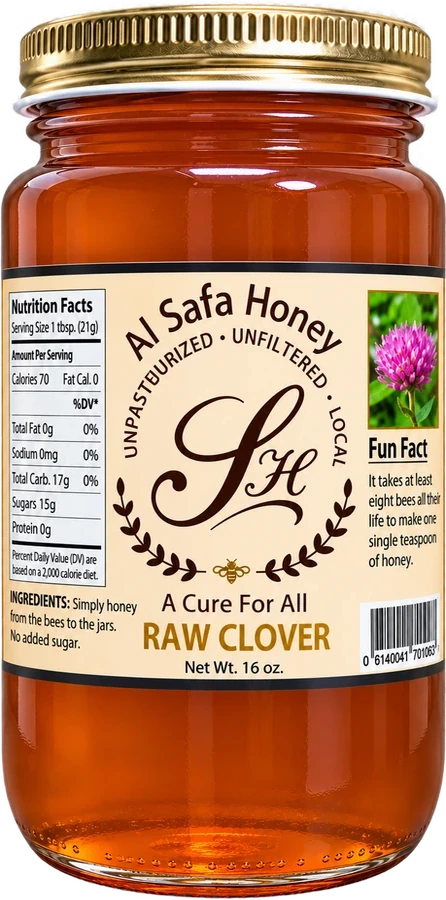
Any honey works for a rooting dip. Use a small amount from your everyday jar, such as Raw Clover Honey, harvested in New York State. Keep your good spoons for the garden separate from the kitchen.
Honey and bees in the garden
If you garden, you can also help the bees that make honey by planting flowers that bloom from spring to fall. Our article on bee friendly lawn ideas has simple steps.
The takeaway on honey rooting hormone
Honey rooting hormone is a misnomer: honey has no auxins, but a diluted dip may help some easy plants by keeping the cut end clean. A small trial found it worked for ground covers but not for a woody hibiscus. Try it for fun, and use commercial hormone for tough cuttings.
Honey for the kitchen and garden
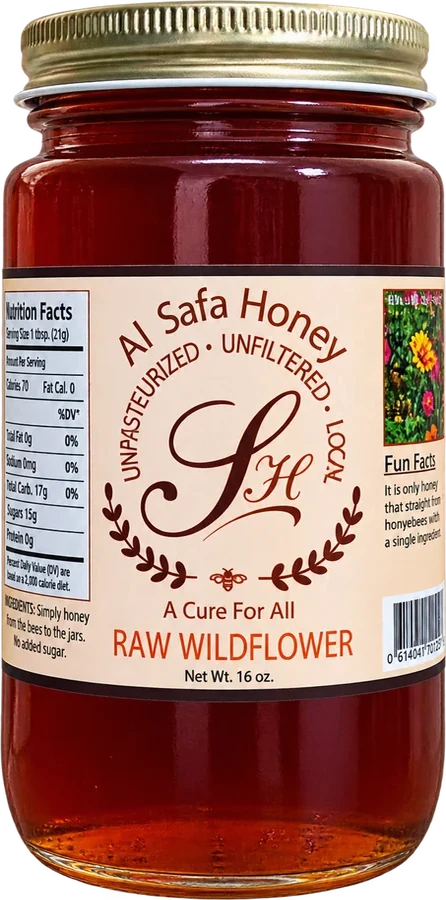
Keep a jar of Raw Clover Honey or Raw Wildflower Honey for both. Save with a 3 jar or 6 jar pack of any honey, and orders over $50 ship free. Visit our shop.
Sources
Outside health sources we used for this article. They open in a new tab.
- Honey as an alternative rooting stimulant for cuttings (Firth and Trask) · University of Hawaiʻi CTAHR Master Gardeners
- How honey kills bacteria (FASEB Journal, 2010) · PubMed
- Biochemical Reactions and Their Biological Contributions in Honey · Molecules (via National Library of Medicine)
Frequently asked questions
- Is honey a rooting hormone?
- Not technically. It contains no auxins, but it may help keep cuttings clean.
- Does honey help cuttings root?
- A small trial found it helped some ground covers but not a woody hibiscus.
- How do I make a honey rooting dip?
- Dissolve 1 tablespoon honey in 2 cups boiled water and cool.
- Can I use undiluted honey?
- It is better diluted; thick honey can stay too sticky and wet.
- Which plants root well with honey?
- Easy plants like coleus, pothos and mint.
- When should I use commercial rooting hormone?
- For woody or hard-to-root plants.
- How long does a honey dip keep?
- About two weeks in a sealed jar in the fridge.
Al Safa Honey is a food producer, not a medical provider. Nothing here is medical advice, and these statements have not been evaluated by the Food and Drug Administration. Talk to your doctor about any health concern. Never give honey of any kind to a baby under 12 months old.