Buckwheat Honey vs Regular Honey: Taste, Color and When to Use Each
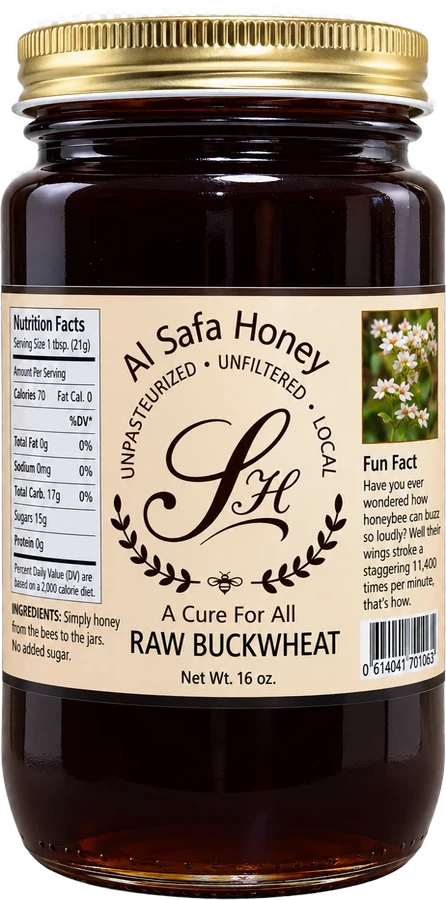
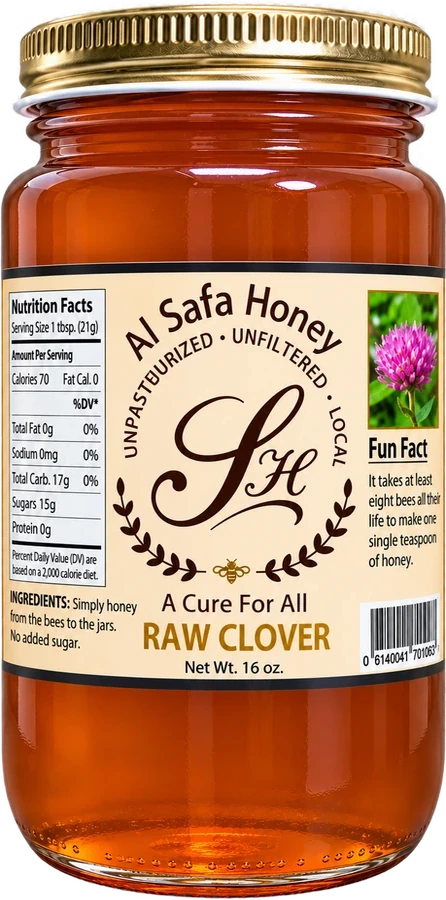
Buckwheat honey vs regular honey is not a small difference. Put a spoon of each side by side and buckwheat looks almost black next to pale golden clover, and it tastes like a different food entirely. This guide compares the two on color, flavor, texture, cooking and composition, so you can decide which belongs in your pantry, or why many people keep both.
What counts as regular honey?
Regular honey is not an official category. On a supermarket shelf it usually means a pale amber blend from several countries, heated and filtered so it stays clear. When people compare buckwheat with regular honey, they are usually comparing it with clover honey or a light blend, the classic mild flavor most Americans grew up with.
Side-by-side comparison
The differences go well beyond color.
| Buckwheat honey | Regular (clover or blend) | |
|---|---|---|
| Color | Very dark brown to near black | Pale gold to light amber |
| Flavor | Malty, earthy, molasses, slightly bitter finish | Mild, sweet, gently floral |
| Aroma | Strong, like malt or dark bread | Faint |
| Texture | Thick, crystallizes into a coarse paste | Smooth; blends often stay liquid |
| Source | Buckwheat blossoms | Clover, or a mix of sources |
| Best uses | Rye bread, gingerbread, glazes, blue cheese | Tea, fruit, yogurt, everyday baking |
Flavor and color
Buckwheat honey is among the darkest honeys produced in North America, well into the dark amber range on the USDA color scale. Its flavor is often compared to molasses, malt, pumpernickel or even coffee, with a slightly bitter edge at the end. That is a lot for a cup of chamomile, but it is wonderful with foods that have their own strength. The buckwheat honey guide goes deeper on the plant and the harvest.
Clover honey, by contrast, sits near the light end of the scale. It sweetens without adding much flavor of its own, which is why it is the default in most kitchens.
Composition: what is actually different
Both are mostly fructose and glucose with about 17 to 18 percent water, and both have about the same calories by the spoonful. Dark honeys like buckwheat tend to contain more minerals and more phenolic compounds, the plant compounds that give them color and bitterness. Researchers often study buckwheat honey for this reason. Our guide to dark vs light honey covers what that does and does not mean.
Buckwheat honey vs clover honey in the kitchen
Use clover where the honey should disappear into the dish, and buckwheat where it should stand out. Many cooks blend the two: a spoonful of buckwheat in a cup of clover gives a deeper, caramel-like honey that is still easy to use.
- Buckwheat: rye and whole-grain breads, gingerbread, baked beans, barbecue sauce, ham glaze, blue cheese
- Clover: tea, lemonade, fruit salad, yogurt, vinaigrette, light cakes
- Either: oatmeal, toast, marinades (buckwheat makes them bolder)
Buckwheat honey vs raw honey
This comparison mixes two ideas. Buckwheat is a flower source, and raw is a processing method, so buckwheat honey can be raw or heated. Our Pure Raw Buckwheat Honey, harvested in New York State by our partner beekeepers, is both: dark buckwheat, never heated above hive temperature and strained only of wax.
How to taste the difference yourself
Set out two small spoons, one of buckwheat and one of clover, with water and a plain cracker. Taste the clover first, because buckwheat will overwhelm anything that follows it. Notice how the clover is mostly sweetness with a light floral note that fades quickly. Then try the buckwheat. Most people notice the smell before the taste: malty and earthy, almost like a bakery. On the tongue it is less sweet at first, then deep and long, with a slightly bitter, mineral finish.
If you like dark chocolate, black coffee or rye bread, buckwheat will probably become a favorite. If you take your tea with a spoon of honey and want it to taste only sweeter, clover is your jar.
Buying and storing buckwheat honey
Buckwheat is grown as a cover crop and grain in New York, Pennsylvania and parts of Canada, and its late-summer bloom is short, so true buckwheat honey is a seasonal crop. Raw buckwheat honey crystallizes into a dark, coarse paste over time; warm it gently if you want it pourable. Like any honey, it keeps for years sealed at room temperature.
Frequently asked questions
- Is buckwheat honey better than regular honey?
- It is different, not simply better. Buckwheat has a much stronger flavor and darker color and tends to carry more minerals and plant compounds. Regular honey is milder and more versatile for everyday sweetening.
- Does buckwheat honey taste like regular honey?
- No. Buckwheat honey tastes malty and earthy, often compared to molasses, while regular honey is mild and floral.
- Can I use buckwheat honey instead of regular honey in recipes?
- Yes, one to one, but the flavor will be much bolder. It shines in dark breads, gingerbread and savory glazes and can overpower delicate cakes and drinks.
- Is buckwheat honey gluten free?
- Yes. Despite the name, buckwheat is not a type of wheat, and buckwheat honey is made from the plant's nectar. Pure honey contains no gluten.
- Why is buckwheat honey so dark?
- Buckwheat nectar is naturally rich in minerals and plant compounds called phenolics, which give the honey its deep color and strong, malty flavor.
Al Safa Honey is a food producer, not a medical provider. Nothing here is medical advice. Never give honey of any kind to a baby under 12 months old.