Fireweed Honey: The Light, Buttery Honey of Alaska and the North
Fireweed honey is a pale, smooth, buttery honey from the tall pink wildflower that springs up after forest fires and logging across northern North America. It is a specialty of Alaska, western Canada, the Pacific Northwest and northern Michigan, and many people call it one of the most delicate honeys there is. This guide covers where it comes from, how it tastes and how to use it.
The fireweed plant
Fireweed gets its name from its habit of colonizing land after fire. Its seeds travel on the wind, and within a year or two of a forest fire or clearing, open ground can be covered in tall spikes of magenta flowers. It blooms from midsummer into late summer, starting at the bottom of each stalk and moving up, which gives bees a long, steady nectar flow.
It grows across northern North America, Europe and Asia; in the UK it is called rosebay willowherb.
What fireweed honey tastes like
Fireweed honey is one of the lightest honeys in color, often nearly clear. Its flavor is gentle, smooth and buttery, with a hint of fruit or tea and almost no aftertaste. It is mild enough for people who say they do not like honey, yet it has a silky, rich texture that sets it apart from other light honeys.
| Light honey | Flavor |
|---|---|
| Fireweed | Buttery, smooth, faintly fruity |
| Acacia | Clean, vanilla-like, very sweet |
| Clover | Gently floral, classic |
| Basswood | Fresh, minty, woody |
Where fireweed honey is made
Alaska and the Yukon are closely linked with fireweed honey, along with British Columbia, Washington, Oregon and the Upper Peninsula of Michigan, where large areas of cleared forest support big blooms. Because fireweed follows fire and logging, its location shifts over the years as forests regrow and the plant is shaded out.
How to use fireweed honey
Use fireweed honey where you want sweetness without strong flavor: in delicate teas, lemonade, fruit, yogurt and light baking. It is lovely on warm biscuits and scones and in vinaigrettes. Because it is mild, it is also a good honey for children who are just trying honey, once they are over a year old.
Al Safa honeys for fireweed fans
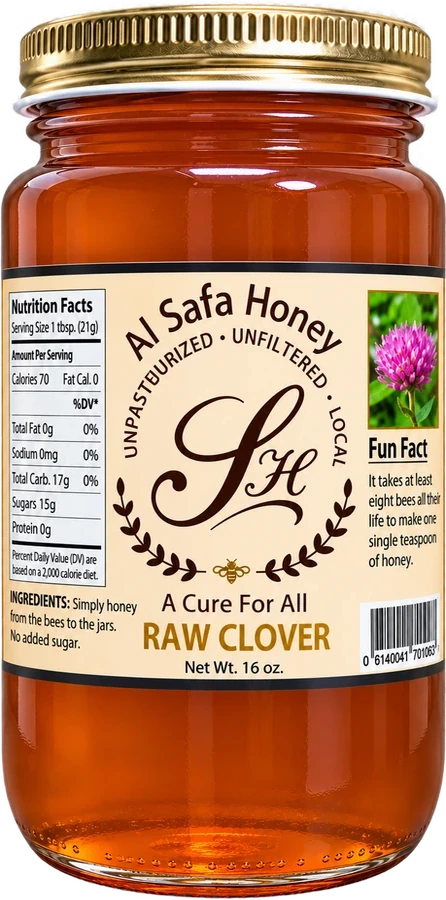
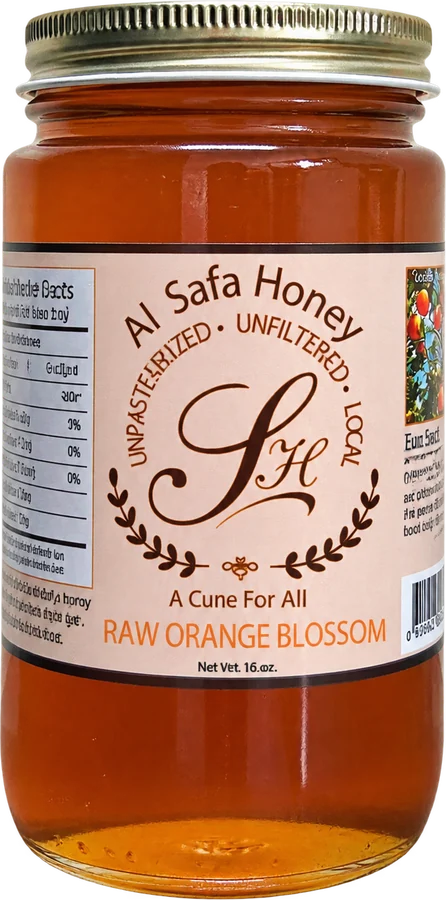
We do not sell fireweed honey. For a pale, mild, clean honey, our Clover honey, harvested in New York State, is the closest match, and our Orange Blossom honey offers a light honey with a brighter floral note.
Fireweed honey and wildfires
Fireweed shows how bees and plants respond to changing landscapes. After a large wildfire, fireweed can carpet the burned ground within a couple of seasons, and beekeepers who can reach those areas may get a large crop of pale honey. As shrubs and trees grow back and shade the ground, the fireweed thins out and the honey flow moves elsewhere.
That makes fireweed honey a moving target. Beekeepers in Alaska and British Columbia often move hives to follow recent burns and clearings, and harvests can vary a lot from year to year.
Storing fireweed honey
Keep it sealed at room temperature in a cupboard. Because it crystallizes slowly, it often stays clear for a long time; if it sets, warm the jar gently in warm water. See crystallized honey.
Frequently asked questions
- What does fireweed honey taste like?
- Very mild, smooth and buttery, with a faint fruity or tea-like note and almost no aftertaste.
- Where does fireweed honey come from?
- Mainly Alaska, western Canada, the Pacific Northwest and northern Michigan.
- Why is it called fireweed?
- The plant quickly covers land after forest fires and clearing.
- Does fireweed honey crystallize?
- Slowly. It often stays liquid for many months.
- Is fireweed honey the same as rosebay willowherb honey?
- Yes. Rosebay willowherb is the British name for fireweed, and honey from it is made in the UK and northern Europe too.
- Is fireweed honey good for baking?
- Yes, especially in light cakes and cookies where you want sweetness without a strong honey flavor. Its delicate taste fades with heat, so many people save it for raw uses.
Al Safa Honey is a food producer, not a medical provider. Nothing here is medical advice. Never give honey of any kind to a baby under 12 months old.