Is Clover Honey Raw? Supermarket Clover vs Raw Clover Honey
Is clover honey raw? The flower does not decide that; the packing plant does. Clover only tells you which blossoms the bees visited. Whether the honey stayed raw depends on how it was heated, filtered and blended afterward, and most clover honey sold in supermarkets goes through all three steps before it reaches the shelf.
Is clover honey raw? It depends on processing, not the flower
Any honey can be sold raw or processed. A beekeeper who extracts clover honey and strains it into jars at hive temperature has raw clover honey. A packer who buys that same honey in drums, heats it and filters it has processed clover honey. The nectar is identical; the handling is not.
So the useful question is not about clover at all. It is about whether the label, and the honey itself, show signs of heat and fine filtering.
How supermarket clover honey is usually made
Large brands buy honey in bulk and process it for a consistent look across thousands of bottles. The steps vary by company, but this is the common path.
- Honey arrives in 55-gallon drums, often already crystallized.
- Drums are warmed so the honey can be pumped.
- Batches from several producers, and sometimes several countries, are blended for uniform color.
- The blend is heated, commonly well above 140°F, to dissolve crystals and stop yeast.
- It is pressure-filtered to remove fine particles, including most pollen.
- It is bottled hot or warm, which helps it stay clear for many months.
Supermarket clover vs raw clover honey
Put the two side by side and the differences are easy to spot within a few weeks of buying them.
| Typical supermarket clover | Raw clover | |
|---|---|---|
| Heat | Heated for flow and shelf life | Hive temperature only |
| Filtering | Fine pressure filtering | Coarse straining for wax |
| Pollen | Mostly removed | Kept |
| Look | Glass-clear, stays liquid | Slightly hazy, sets creamy |
| Origin | Often blended, may list several countries | Single harvest |
| Taste | Sweet, flat | Clean, floral, with a faint hay note |
Why clover is the supermarket default
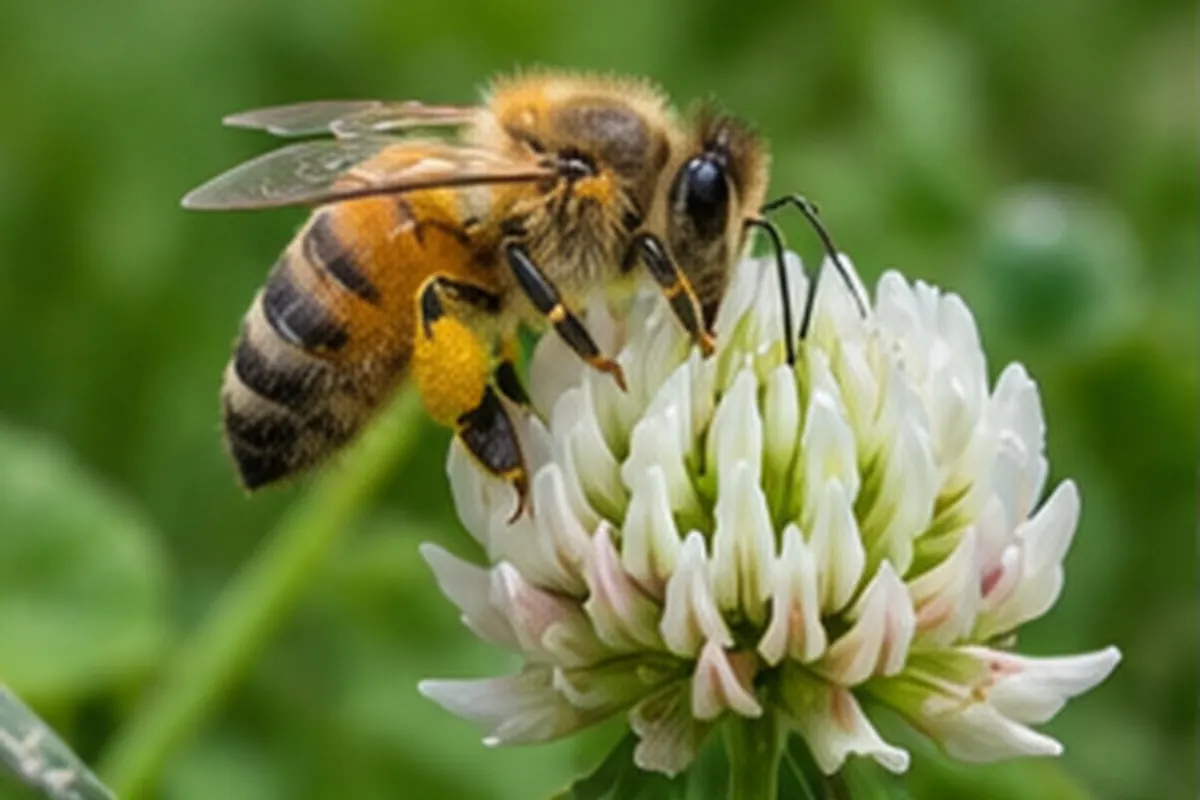
White clover grows across pastures and roadsides in nearly every northern state and in Canada, so there is a lot of it. Its honey is pale, and in the bulk market lighter honey generally sells for more per pound, because it suits the widest range of customers and products.
Mild taste also blends easily. A packer can combine clover from many sources without the result tasting muddled, which is far harder with a dark, distinctive honey like buckwheat.
Six label clues that show whether clover honey is raw
No single clue is proof, but several together give a clear picture. Remember that the word raw is not federally defined, so it matters most when the producer also explains the process.
- The word raw, ideally with a stated temperature limit.
- Unfiltered or strained, rather than nothing at all.
- One country of origin, not a list such as USA, Canada, Argentina.
- A named producer or partner farm instead of only a brand.
- A jar that is cloudy, creamy or partly crystallized on the shelf.
- No reliance on Grade A or pure alone, since neither speaks to heat.
What raw clover honey should look and taste like
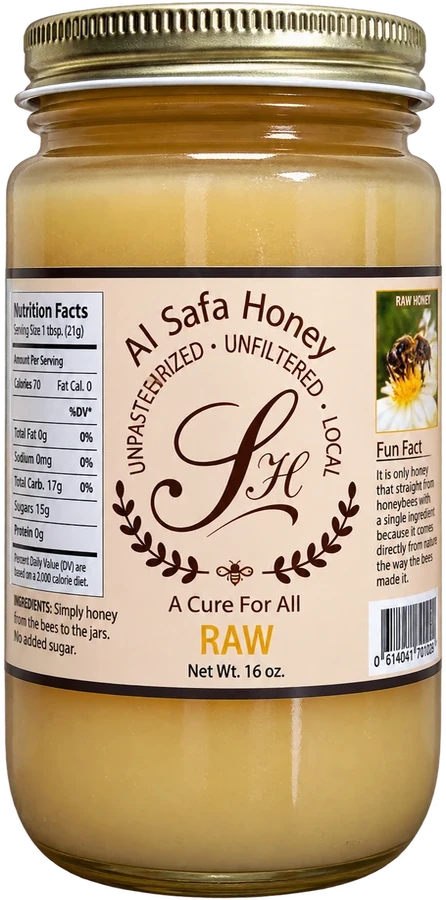
Freshly bottled raw clover is pale gold and very lightly hazy. Because clover honey is relatively high in glucose, it often begins to set within a few weeks, turning opaque and nearly white with a fine, buttery grain. A clover honey that stays perfectly clear for a year was very likely heated.
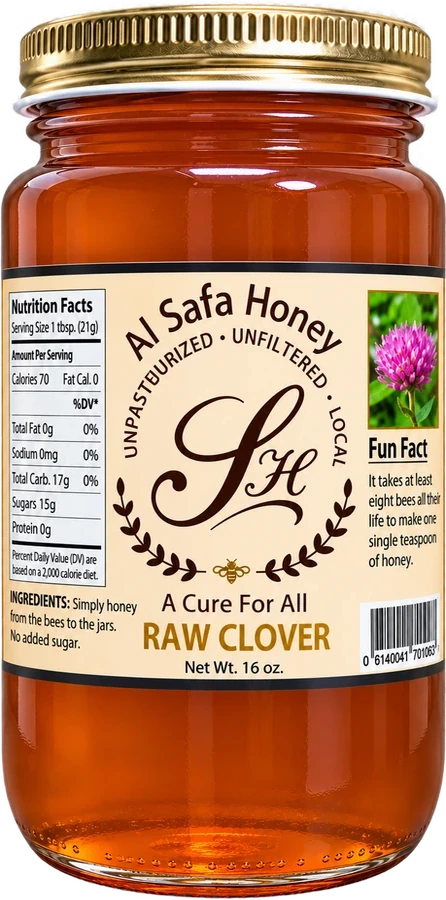
The taste is cleaner and more aromatic than the squeeze-bottle version, with a soft floral note and a whisper of fresh hay. Al Safa's Pure Raw Clover Honey is $15 for 16 oz, cold-extracted, strained of wax only and never heated above hive temperature. It is the mildest of Al Safa's harvests and a natural first raw honey for anyone used to supermarket clover.
Where to buy raw clover honey
Look beyond the main honey aisle. Raw clover tends to sit in the natural foods section, at farm stands and in specialty shops, and it usually comes in glass jars rather than plastic bears. Expect to pay more per ounce than for a blended squeeze bottle, since a single raw harvest cannot be stretched with cheaper imports.
In New York, 47 shops carry Al Safa honey, mostly pharmacies, groceries and specialty markets in Queens, Brooklyn, Manhattan and the Bronx, plus a few in Bronxville and Yonkers. The store finder at /locations lists each one. Al Safa also ships anywhere in the U.S., and standard shipping is free on orders over $50.
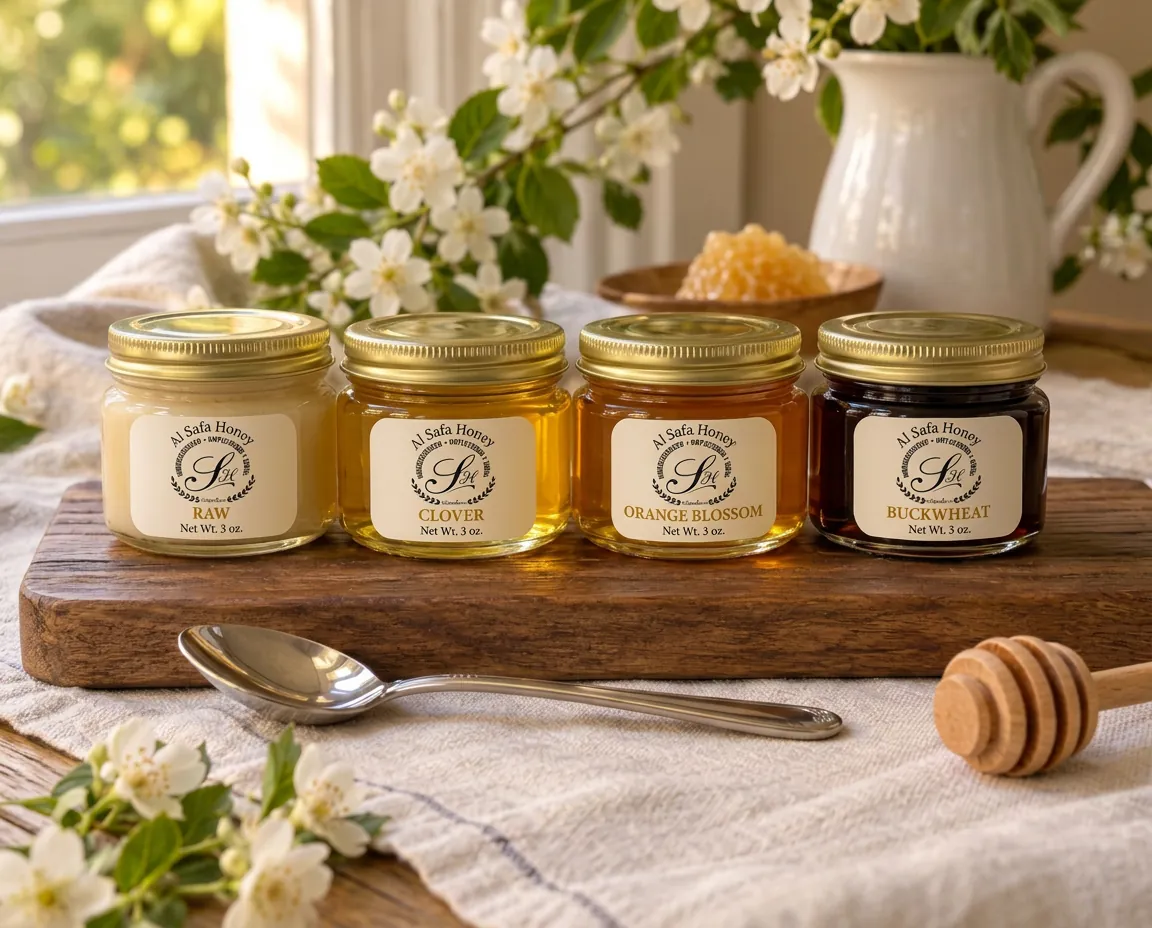
If you are switching from supermarket clover, buy a small amount first. Raw clover thickens and sets in a way that surprises some people, and the sampler's 3 oz jars let you see how your household takes to it before buying a full pound.
Frequently asked questions
- Is store-bought clover honey bad for you?
- No. It is still honey with the same sugars and calories. Heating and filtering remove pollen and reduce some natural enzymes, so it is less complete than raw honey, but it is not harmful for anyone over a year old.
- Is Grade A clover honey raw?
- Not necessarily. The USDA grade scores clarity, flavor, absence of defects and moisture, and filtering raises the clarity score. A Grade A label can sit on honey that was heavily processed.
- Is clover honey pasteurized?
- Much of it is heated in a way packers call pasteurizing, though honey's low moisture already keeps germs from growing. For honey, the heat is mainly about stopping fermentation and crystallization so the bottle stays clear.
- Can I make processed clover honey raw again?
- No. Once enzymes have been reduced by heat and pollen has been filtered out, they cannot be restored. You can still enjoy it, but buy raw from the start if that matters to you.
- Why did my raw clover honey turn white and thick?
- That is crystallization, and clover honey does it sooner than most because of its high glucose content. The honey has not spoiled. Set the jar in warm water, below about 100°F, and stir until it loosens, or simply spread it as a creamy topping.
- Can toddlers have raw clover honey?
- Children aged one and up can have it. Infants under 12 months must not have any honey, raw or processed, because of the risk of infant botulism.
Al Safa Honey is a food producer, not a medical provider. Nothing here is medical advice. Never give honey of any kind to a baby under 12 months old.