Looking for a Manuka Honey Alternative? An Honest Guide
Many people search for a manuka honey alternative after seeing the price tag on a small jar of high-grade manuka. It is one of the most expensive foods in the honey aisle, and it is sold with a grading system that can feel like a chemistry exam. This guide explains what you are paying for, what manuka is actually used for, and which honeys make sense for everyday eating, while being clear about where no substitute exists.
Why manuka honey is so expensive
Manuka honey comes from the flowers of Leptospermum scoparium, a shrub native to New Zealand and parts of Australia. The plant blooms for only a few weeks a year, often in remote, hilly country where hives have to be placed by truck or even helicopter. Weather can wipe out a season, and supply is limited.
On top of that, manuka is sold by grade. Each batch is tested in a lab for markers, and the higher the number on the label, the higher the price. Branding, export costs and the rules New Zealand set to protect the name add more. When you buy high-grade manuka, much of what you pay for is the certified number on the jar.
Demand also stays high because of manuka's reputation. It has been marketed for decades as a wellness product, and that story keeps prices up even for lower grades whose measured activity is modest.
It is worth separating the price from the eating experience. A teaspoon of entry-grade manuka in tea tastes much like a teaspoon of high-grade manuka in tea; the difference between them is mostly the number measured in the lab.
What MGO and UMF grades mean
The key compound is methylglyoxal, or MGO, which forms in manuka honey from a substance in the nectar. MGO has antibacterial activity in lab tests, and it is the main reason researchers are interested in manuka. Most ordinary honeys contain very little of it.
Labels show the grade in one of two ways. MGO numbers state milligrams of methylglyoxal per kilogram. UMF, short for Unique Manuka Factor, is a trademarked grading system that also checks authenticity markers such as leptosperin. The two scales line up roughly as shown below.
A few brands use their own activity scales instead. Those numbers are not always comparable with MGO or UMF, so check what system a label is using before comparing prices between jars.
| UMF grade | Approximate MGO | Typical use |
|---|---|---|
| UMF 5+ | 83+ | Everyday eating, entry level |
| UMF 10+ | 263+ | Popular mid-range grade |
| UMF 15+ | 514+ | High grade, much higher price |
| UMF 20+ | 829+ | Premium grade, priced like a specialty item |
What people use manuka honey for
The most solid medical use of manuka is in sterilized, medical-grade wound dressings, which hospitals and clinics use for some burns and wounds. Those products are processed and regulated very differently from a jar of food honey, and they should be used under a clinician's guidance. Do not put kitchen honey of any kind on wounds instead.
At home, most people use manuka the way they use any honey: a spoonful by itself, in tea when they have a sore throat, or on toast. For those uses, research on honey in general, including a Cochrane review on cough in children, does not single out manuka as uniquely effective. Its flavor is also distinctive: thick, earthy and slightly medicinal, which not everyone loves.
Some people also use manuka in skin care, mixing it into face masks or buying creams that contain it. Evidence for these uses is limited, and anyone with sensitive skin or a bee-product allergy should patch-test first or skip it.
Honest manuka honey alternatives for everyday use
If your goal is a flavorful honey for tea, toast or a comforting spoonful, you do not need a lab-graded product. Dark raw honeys are a natural place to look. They tend to carry more polyphenols and minerals than pale honeys, and their deep, earthy flavor is closer to manuka's than a light clover or acacia.
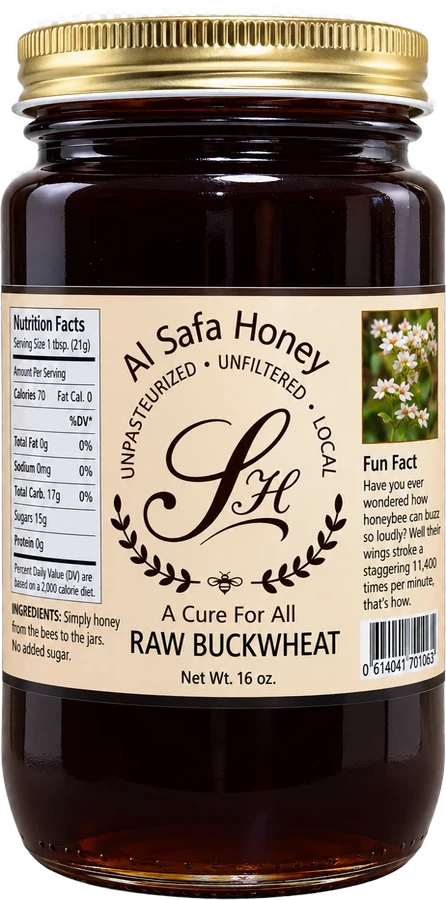
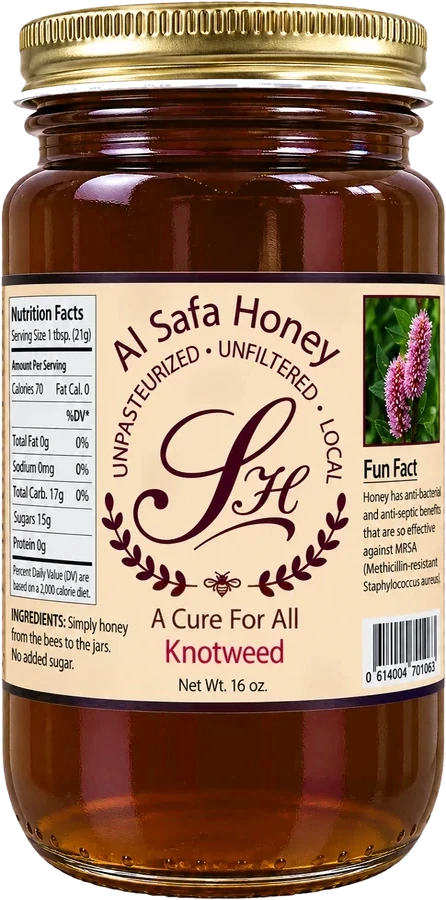
Buckwheat honey is the best known. It is near-black, malty and bold, and it is the honey used in a Penn State study on children's nighttime cough. Knotweed honey is another dark, herbal option with a resinous depth. Neither one has manuka's MGO levels, and we never present them as replacements for graded manuka. They are simply excellent, affordable raw honeys in their own right.
- Raw buckwheat honey: darkest and boldest, malty and molasses-like; great in tea and warm lemon water.
- Raw knotweed honey: dark amber, herbal and resinous; a strong partner for black tea and ginger.
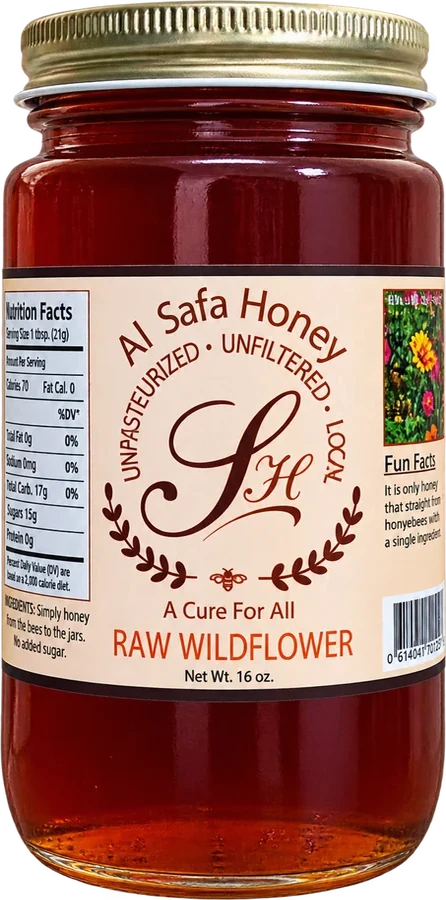
- Raw wildflower honey: a gentler all-rounder whose flavor changes with the season.
- Any raw, unfiltered honey you enjoy: for a spoonful in tea, taste and freshness matter more than a grade.
Manuka vs dark raw honey at a glance
Here is how manuka compares with the two dark raw honeys we offer, on the points shoppers usually care about.
The comparison is meant to help you choose for flavor and budget, not to suggest that one can do the other's job. If your reason for buying manuka is its certified MGO number, only graded manuka will meet that need.
| Feature | Graded manuka | Raw buckwheat | Raw knotweed |
|---|---|---|---|
| Origin | New Zealand, Australia | New York State | North Dakota |
| Color | Cream to dark brown | Near-black | Dark amber |
| Flavor | Earthy, medicinal | Malty, molasses | Herbal, resinous |
| Graded for MGO | Yes | No | No |
| Cost | High, rises with grade | Everyday price | Everyday price |
| Best for | Buyers who want a certified MGO number | Tea, cooking, bold flavor | Black tea, glazes, cold-season drinks |
How to buy genuine manuka if you decide it is worth it
Because manuka sells for so much, it has a history of mislabeled and diluted products. If you choose to buy it, a few checks help you get what you pay for.
Look for a clear grade on the label, either a UMF number or an MGO number, ideally with a batch number you can trace. Be wary of vague terms such as active, bioactive or a plus sign with no grading system named. Check that the honey is packed in New Zealand or comes from a seller who explains its Australian origin, and compare price per ounce across grades so you know what a fair price looks like.
Finally, match the grade to your use. If you want manuka mainly for its flavor on toast, a lower grade gives you the same taste for far less money. The steep jump in price at higher grades only makes sense if the MGO number itself matters to you.
When nothing else will do
If you specifically want a certified MGO level, then buy genuine graded manuka from a reputable seller and check for the UMF or MGO number on the label. No other honey can honestly stand in for that number. If a clinician has recommended manuka for wound care, use the medical-grade product they suggest.
For everything else, choose by flavor and handling. Raw Buckwheat Honey and Raw Knotweed Honey are our darkest jars, both sourced from partner beekeepers and never heated above hive temperature. As with all honey, keep it away from babies under 12 months.
Frequently asked questions
- Is buckwheat honey as good as manuka?
- They are different honeys, not interchangeable ones. Buckwheat is valued for its dark color, bold flavor and antioxidant compounds, while manuka is valued and priced for its measured MGO. For everyday eating, many people prefer buckwheat's taste and price.
- Is there an American manuka honey?
- Manuka is native to New Zealand and Australia, so true manuka is not produced in the United States. American dark honeys like buckwheat, knotweed and some wildflower honeys are sometimes compared to it for flavor, but they are not graded for MGO.
- What grade of manuka is worth buying?
- It depends on why you want it. Lower grades are fine if you just like the flavor; higher grades cost much more and matter mainly to buyers who specifically want a high MGO number. Look for an independent grade on the label either way.
- Can I use regular honey on a cut instead of manuka?
- No. Medical honey dressings are sterilized and regulated, while kitchen honey is not. Clean minor cuts with soap and water and ask a doctor or pharmacist about wound care products.
- Does any honey besides manuka contain MGO?
- Most honeys contain only trace amounts of methylglyoxal. Some related Leptospermum honeys from Australia contain it, but common American honeys are not graded for it and should not be sold as if they were.
- What does manuka honey taste like?
- Manuka is thick and creamy, with an earthy, slightly bitter and herbal flavor that some describe as medicinal. People who enjoy buckwheat or other dark honeys often like it, while fans of mild clover may find it strong.
Al Safa Honey is a food producer, not a medical provider. Nothing here is medical advice. Never give honey of any kind to a baby under 12 months old.