Nectar vs Honey: How Bees Turn Flower Nectar Into Honey
Nectar vs honey is a simple question with a fascinating answer. Nectar is the sweet, watery liquid flowers make to attract pollinators. Honey is what bees make from it, after collecting, processing and drying it inside the hive. The two are related but very different foods. This guide explains what nectar is, how bees change it, and why products called nectar on store shelves are something else again.
What nectar is
Nectar is a sugary liquid produced by glands called nectaries, mainly inside flowers. It is a reward that attracts pollinators: bees, butterflies, hummingbirds and bats drink it, and carry pollen from flower to flower as they go. Nectar is mostly water with dissolved sugars, chiefly sucrose, glucose and fructose, plus tiny amounts of amino acids, minerals and aromatic compounds. Its sugar content varies widely by plant and weather.
Nectar is not stable. Left alone, its high water content lets yeasts ferment it quickly.
How bees turn nectar into honey
A forager bee sucks up nectar and stores it in her honey stomach, where enzymes begin to work. Back at the hive, she passes it to house bees, who keep processing it. The enzyme invertase splits sucrose into glucose and fructose. Another enzyme, glucose oxidase, produces small amounts of gluconic acid and hydrogen peroxide, which help protect the honey.
Bees then spread the liquid in wax cells and fan their wings to evaporate water. When the honey is thick enough, they cap the cell with wax. Our full guide on how honey is made walks through each step.
Nectar vs honey at a glance
| Nectar | Honey | |
|---|---|---|
| Made by | Flowers | Bees, from nectar |
| Water | Often more than half | About 17 to 18 percent |
| Main sugars | Sucrose, glucose, fructose | Mostly fructose and glucose |
| Texture | Thin, watery | Thick, viscous |
| Shelf life | Ferments quickly | Keeps for years |
Why honey lasts and nectar does not
Honey keeps because of the changes bees make. Its low water content, high sugar concentration and acidity leave too little free water for microbes to grow, and the small amount of hydrogen peroxide adds protection. International honey standards set a maximum water content of 20 percent for most honey. That is why honey can last for years in a sealed jar, as explained in does honey go bad.
How the flower shapes the honey
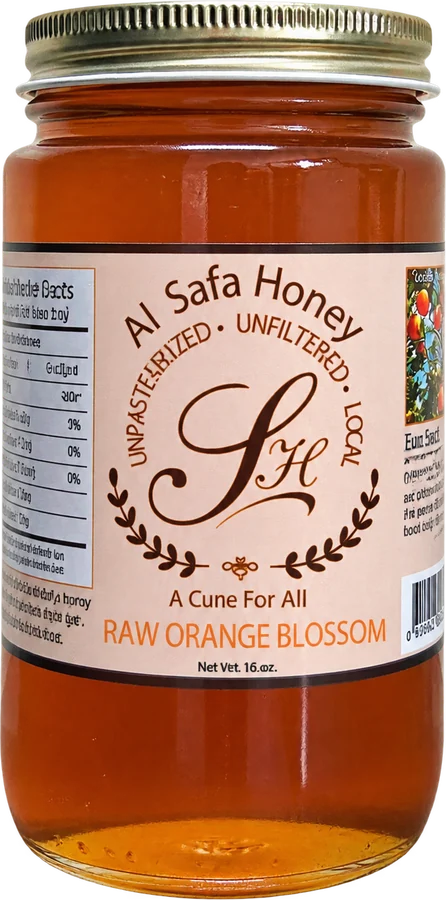
Each plant's nectar carries its own aromatic compounds and sugar balance, which is why honey from clover, buckwheat and orange blossom tastes so different, and why some honeys crystallize faster than others. A honey named after one flower, such as our Orange Blossom honey from Florida, comes mainly from that flower's nectar. See monofloral honey.
Agave nectar and other nectar products
Products called agave nectar, coconut nectar or fruit nectar are not flower nectar or honey. Agave nectar is a syrup made by processing the sap of the agave plant. Fruit nectar is a sweetened fruit drink. Honeydew honey, meanwhile, is made by bees from insect secretions on trees rather than nectar; see honeydew honey and honey vs agave.
Sources
- List of standards (Standard for Honey, CXS 12-1981) · FAO / WHO Codex Alimentarius
Frequently asked questions
- Is honey just nectar?
- No. Honey is nectar that bees have processed with enzymes and dried to about 17 to 18 percent water.
- Can you eat flower nectar?
- Small amounts from edible flowers, such as honeysuckle, are a traditional treat, but some plants are toxic. Only taste flowers you know are safe.
- Is agave nectar a type of honey?
- No. Agave nectar is a syrup made from the agave plant's sap, not made by bees.
- How much nectar does it take to make honey?
- Several times as much nectar as honey by weight, because bees evaporate most of the water. The exact ratio depends on the nectar's sugar content.
- Do bees eat nectar or honey?
- Both. Foragers drink nectar for energy, and the colony eats stored honey, especially through winter when no flowers bloom.
Al Safa Honey is a food producer, not a medical provider. Nothing here is medical advice. Never give honey of any kind to a baby under 12 months old.