Sourwood Honey: The Prized Honey of the Appalachian Mountains
Sourwood honey is the pride of the southern Appalachian Mountains, a light amber honey with a buttery, caramel-like flavor and a hint of spice that many Southern beekeepers consider the finest honey in the country. It comes from a single native tree that blooms for a few weeks in midsummer, and good harvests are never guaranteed. This guide covers where it comes from, how it tastes, why it is scarce and how it compares with other honeys.
Where sourwood honey comes from
The sourwood tree is a small native tree of the eastern United States, most common on the slopes of the southern Appalachians in North Carolina, Tennessee, Georgia, Virginia and Kentucky. Its name comes from its sour-tasting leaves. In early summer it produces long, drooping sprays of small white bell-shaped flowers that look a little like lily of the valley, and bees work them heavily for nectar.
Because sourwood blooms after the spring flowers and before fall flowers, beekeepers can harvest it fairly cleanly. Many mountain beekeepers take off their spring honey before the sourwood bloom so the summer harvest is mostly sourwood.
What sourwood honey tastes like
Sourwood honey is usually light to medium amber, sometimes with a faint gray or green tint. Its flavor is smooth and buttery with notes of caramel, gingerbread and a light anise or spice finish that lingers. It is sweeter and more complex than clover but much gentler than buckwheat. Southern cooks love it on biscuits.
It crystallizes slowly, so it usually stays liquid for months.
| Sourwood | Clover | Buckwheat | |
|---|---|---|---|
| Color | Light to medium amber | Pale gold | Near black |
| Flavor | Buttery, caramel, faint anise | Clean, mild, floral | Malty, molasses |
| Region | Southern Appalachians | Widespread | Northeast, Midwest, Canada |
| Crystallizes | Slowly | Moderately | Into a coarse paste |
Why sourwood honey is scarce
Sourwood nectar flow is notoriously unpredictable. A dry spell, a cold night or heavy rain during the bloom can cut the harvest sharply, and some years beekeepers get almost none. The trees grow in a limited area, often on steep terrain, which makes it hard to move many hives to them. Demand from people who grew up with sourwood honey keeps prices high, and many regional honey shows have a dedicated sourwood category.
Because it is valuable, some honey sold as sourwood is blended. Buy from beekeepers in the mountains who can tell you when and where it was harvested.
How to use sourwood honey
Sourwood is a honey to taste on its own or on simple foods where its flavor can shine: warm biscuits with butter, cornbread, toast, pancakes, tea and plain yogurt. Its caramel notes are lovely with apples and pears. Cooking it in a strong sauce wastes what makes it special.
Al Safa honeys for sourwood fans
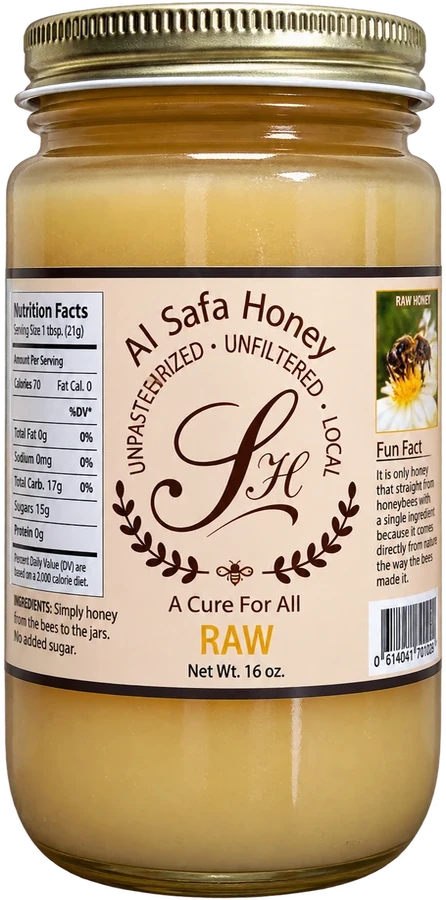
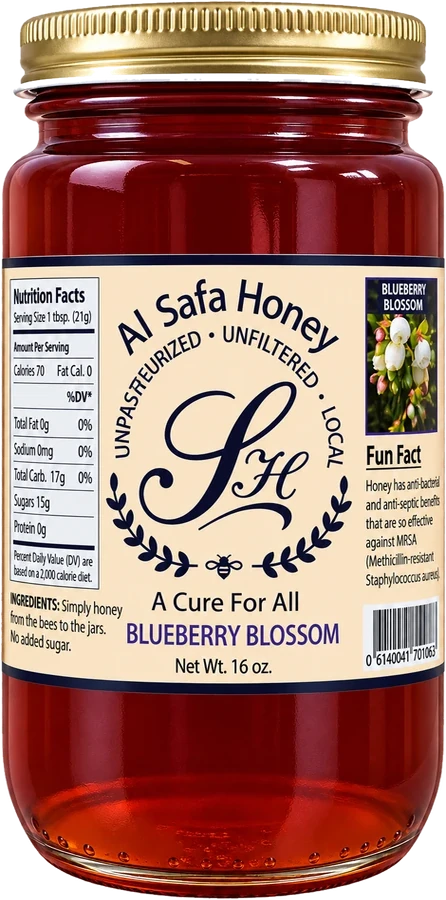
We do not sell sourwood honey. If you love its warm, buttery character, our Pure Raw Honey has a similar golden amber warmth with a soft resinous finish, and our Blueberry Blossom honey has a rounded, gently fruity depth. Both are harvested in New York State and never heated above hive temperature. For a broad look at honey varieties, see types of honey.
Sources
- USA: Sourwood honey · Apimondia
Frequently asked questions
- What does sourwood honey taste like?
- Smooth and buttery, with caramel and gingerbread notes and a faint anise or spice finish.
- Where is sourwood honey from?
- Mainly the southern Appalachian Mountains: North Carolina, Tennessee, Georgia, Virginia and nearby states.
- Why is sourwood honey expensive?
- The tree grows in a limited mountain region, it blooms for a few weeks in summer, and the nectar flow is very sensitive to weather, so supply is small and unpredictable.
- Does sourwood honey crystallize?
- Slowly. It can stay liquid for many months, though it will eventually set.
- Is sourwood honey raw?
- It can be either. Sourwood describes the flower source, while raw describes handling. Ask the beekeeper whether it was heated or finely filtered.
Al Safa Honey is a food producer, not a medical provider. Nothing here is medical advice. Never give honey of any kind to a baby under 12 months old.