Is Raw Honey Safe? Who Can Eat It and Who Should Wait
Is raw honey safe? For most people over the age of one, yes: it is one of the oldest foods humans eat, and its natural chemistry makes it hostile to the germs that spoil other foods. The word raw makes some shoppers nervous, though, because it echoes raw milk and raw meat. Honey works differently from those foods, and this guide explains why, along with the few situations where you should be careful or ask your doctor first.
Why raw honey is safe for most people
Honey is about 17 to 18 percent water and around 80 percent sugar. At that concentration, there is too little free water for bacteria, yeasts and molds to grow, so they dry out instead of multiplying. Honey is also mildly acidic, and bees add an enzyme that slowly produces small amounts of hydrogen peroxide. Together these traits are why honey keeps for so long without refrigeration.
Pasteurizing honey, which large packers often do, is mostly about appearance and shelf behavior, not safety. Heat dissolves crystals and destroys yeast that could cause fermentation in honey that is too wet, keeping the honey clear and runny for months. It is not a step that health authorities require for honey sold to adults.
The one hazard that heat does not remove is botulism spores. Spores of Clostridium botulinum can survive normal honey processing, which is why the infant rule below applies to every kind of honey, raw or not.
It also helps that honey has a long safety record. Archaeologists have found honey in ancient tombs that was still recognizably honey, and food safety agencies treat it as a low-risk food for everyone except infants.
The infant rule: no honey before 12 months
The American Academy of Pediatrics and the CDC both advise that babies under 12 months should never be given honey. That includes raw honey, pasteurized honey, honey in baked goods, honey-dipped pacifiers and honey in homemade remedies. This is the single most important safety rule about honey.
The reason is infant botulism. Botulism spores are found in soil and dust and occasionally in honey. In an older child or adult, a mature gut and its established bacteria keep those spores from taking hold. A baby's gut is not ready yet, so spores can germinate and release a toxin that causes weakness, poor feeding and constipation and can require hospital care.
After the first birthday, the risk drops to that of the general population, and honey can be introduced like any other new food. Our guide on why babies cannot have honey covers the details for parents and caregivers.
Is raw honey safe during pregnancy?
General guidance from major health organizations does not list honey among the foods to avoid in pregnancy, the way it lists unpasteurized milk and soft cheeses. An adult's digestive system handles the rare botulism spore in honey the same way whether or not the person is pregnant, and the spores do not pass to the baby.
That said, pregnancy is a time to ask your own doctor or midwife about anything you are unsure of, especially if you have gestational diabetes or another condition that affects how you handle sugar. Honey still counts as added sugar, with about 17 grams in a tablespoon.
The same reasoning applies to breastfeeding. Eating honey yourself while nursing is generally considered fine, but honey should not be given directly to the baby until after the first birthday.
Allergies, sensitivities and other cautions
Because raw honey keeps its pollen, a small number of people with strong pollen allergies or allergies to bee products notice itching in the mouth or throat, hives or, very rarely, a more serious reaction. If you have a history of severe pollen allergy, asthma triggered by pollen or a known reaction to bee stings, bee pollen or propolis, ask an allergist before trying raw honey, and start with a very small taste.
A few other situations call for care. People with diabetes should treat honey as sugar and fit it into their meal plan. Anyone with a severely weakened immune system should ask their care team about raw foods in general. And honey from certain rhododendron-rich regions abroad can contain natural toxins, sometimes sold as mad honey; it is a niche import, not something found in ordinary American honey.
- Babies under 12 months: no honey of any kind.
- Known pollen, bee sting or bee-product allergy: talk to an allergist first.
- Diabetes or gestational diabetes: count honey as added sugar.
- Weakened immune system: ask your care team about raw foods.
- Imported specialty honey with unusual effects claims: skip it.
How to store raw honey so it stays safe and good
Good storage is mostly about keeping water out. Close the lid tightly after every use, store the jar at room temperature away from the stove and direct sun, and use a clean, dry spoon. A wet spoon or a steamy kitchen can raise the moisture at the surface enough for wild yeasts to start fermenting it.
You do not need to refrigerate raw honey. Cold speeds up crystallization, which is harmless but makes honey harder to scoop. If your jar sets solid, place it in a bowl of warm water and stir until it loosens. Avoid the microwave and boiling water, which can overheat the honey and dull its flavor.
| What you see | Is it safe? | What to do |
|---|---|---|
| Cloudy or grainy texture | Yes, normal crystallization | Use as is or warm gently in a water bath |
| White streaks or foam at the top | Yes, usually air bubbles or crystals | Stir in or skim off |
| Thin watery layer with a sour, boozy smell | Fermenting, quality is lost | Discard if the smell is strong |
| Fuzzy mold on the surface | No | Discard the jar |
Is raw honey safe for kids, older adults and people with diabetes?
For children over 12 months, raw honey is as safe as any other honey. Introduce it in small amounts as you would any new food, and watch for signs of an allergic reaction the first few times. Because it is a sticky sugar, brushing teeth after a honey treat is a good habit to build early.
Healthy older adults can enjoy raw honey without special precautions. The main caution is for anyone whose immune system is weakened by illness or treatment, such as chemotherapy or an organ transplant. Care teams sometimes advise these patients to avoid raw or unpasteurized foods in general, so it is worth asking before adding raw honey to the menu.
People with diabetes can include honey, but it is not a free food. A tablespoon carries about 17 grams of carbohydrate, and honey raises blood sugar much like table sugar does. Measure it rather than pouring, pair it with protein or fiber, and follow the plan you have worked out with your doctor or dietitian.
Choosing a raw honey you can trust
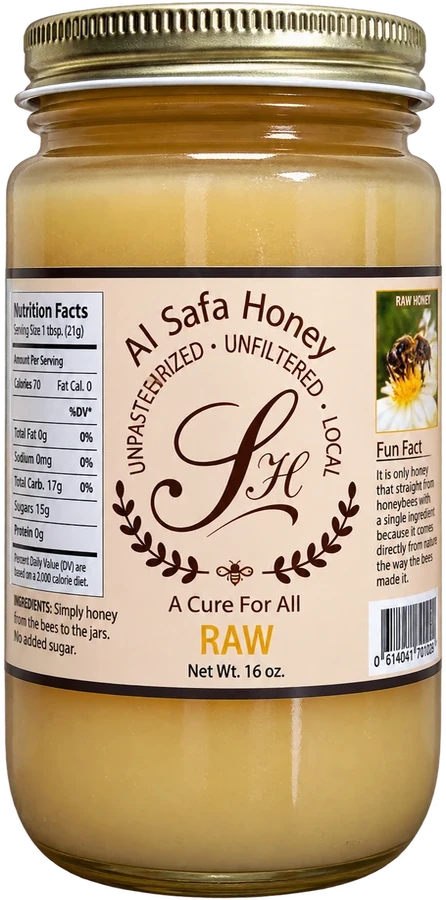
Buy from a seller who names the floral source and where the honey was harvested, and who explains how it is handled. Our honeys come from partner beekeepers, are strained of wax only, never heated above hive temperature, and are packed with nothing added in 16 oz glass jars.
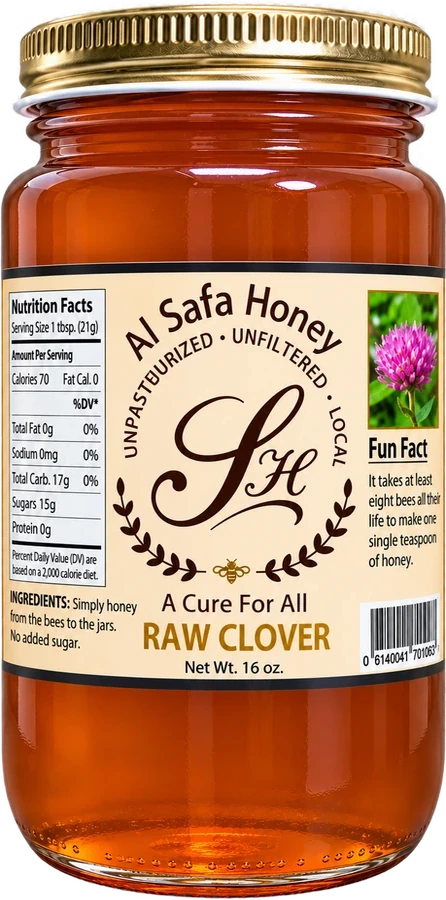
If you are new to raw honey and want a gentle start, Raw Clover Honey is mild and light. Pure Raw Honey is the everyday all-rounder for tea and toast. Either way, keep the jar sealed and dry, and keep it out of reach of infants.
One more practical point: raw honey should smell like honey. If a newly opened jar smells sour, alcoholic or musty, or shows fuzzy growth on top, do not eat it. Those are rare in well-kept honey, but they are the clearest signals that something has gone wrong.
Frequently asked questions
- Can raw honey make you sick?
- For healthy adults and children over one, raw honey is very unlikely to cause illness. The main risks are allergic reactions in people sensitive to pollen or bee products, and infant botulism in babies under 12 months.
- Is raw honey safer than pasteurized honey?
- Neither is meaningfully safer for adults. Pasteurization does not reliably destroy botulism spores, so the same infant rule applies to both. The difference between them is mainly flavor, texture and how long the honey stays liquid.
- Can toddlers eat raw honey?
- Yes, once they are over 12 months old. Start with a small amount, as with any new food, and remember that honey counts as added sugar in a young child's diet.
- Should I wash or cook raw honey before eating it?
- No. Raw honey is meant to be eaten as is. Heating it does not make it meaningfully safer for adults and mostly just reduces its aroma.
- How long is raw honey safe to eat?
- Properly sealed and kept dry, honey can last for years. Crystals and a darker color with age are normal; a sour, fermented smell means the quality has dropped and it is time to replace the jar.
Al Safa Honey is a food producer, not a medical provider. Nothing here is medical advice. Never give honey of any kind to a baby under 12 months old.