Honey Bees in America: From 1622 Ships to Modern Apiaries
Honey bees seem as American as apple pie, but neither is native. Honey bees in America arrived with English colonists in the 1600s, spread across the continent ahead of settlers, and became the backbone of American agriculture's pollination. Along the way, an American minister invented the modern beehive, and states from New York to California became honey producers. This article traces the arrival of honey bees, their spread west, the Langstroth hive, the growth of the honey industry, and the challenges bees face today. For a comparison with the continent's original bees, see native bees vs honey bees.
For general education only, not medical advice. Our honey is a food and is not intended to diagnose, treat, cure or prevent any disease.
America before honey bees
Before Europeans arrived, the Americas had no western honey bees. They did have thousands of native bee species. The U.S. Geological Survey notes more than 4,000 live in the United States. In Mexico and Central America, the Maya kept stingless bees for honey; our article on stingless bee honey tells that story.
Arrival in 1622
According to Virginia Places, the Virginia Company brought honey bees from England in 1622 as part of an effort to diversify the colony's economy beyond tobacco. Colonists kept them in traditional straw skeps. Bees soon arrived in other colonies, including Massachusetts.
| Year | Milestone |
|---|---|
| 1622 | Honey bees arrive in Virginia from England |
| 1600s to 1700s | Bees spread through the colonies |
| 1800s | Swarms move west ahead of settlers |
| 1851 | Langstroth invents the movable-frame hive |
| 1853 | Honey bees reach California |
Spreading west
Honey bee swarms moved west faster than settlers, establishing wild colonies in hollow trees. Thomas Jefferson wrote that bees advanced ahead of white settlement. A widely repeated story says Native Americans called the honey bee the white man's fly, though some historians question whether this was accurate.
Skeps and bee gums
Early American beekeepers used straw skeps and bee gums, hollow sections of black gum trees. Harvesting honey often meant killing the colony with sulfur smoke or cutting out the comb, so beekeeping was destructive and unpredictable.
Langstroth and the modern hive
In 1851, Lorenzo Lorraine Langstroth, a minister in Philadelphia, discovered bee space, the gap of about three eighths of an inch that bees leave open rather than filling with comb or propolis. He designed a hive with removable wooden frames spaced by bee space. Beekeepers could now inspect colonies and harvest honey without destroying them. The Langstroth hive remains the most common hive in America.
- Discovered bee space in 1851
- Movable frames in wooden boxes
- Inspection without destroying the colony
- Still the standard American hive
The honey industry grows
Inventions followed quickly: the honey extractor, which spins honey out of combs, wax foundation and the bee smoker. By the late 1800s, commercial beekeeping had begun. Today, USDA honey reports track millions of colonies producing honey each year in states such as North Dakota, California, Florida, Texas and New York. Our top honey producing states guide has details.
From honey to pollination
As farms grew larger in the 20th century, pollination became as important as honey. The USDA Economic Research Service found that by 2016, pollination fees made up a larger share of beekeeper revenue than honey sales, driven by almonds. Our article on almond pollination explains.
Bee races in America
Early colonists brought dark European bees. Later, beekeepers imported Italian bees, valued for gentleness and productivity, and Carniolan and Caucasian bees. In the 1990s, Africanized honey bees spread into the southern United States from South America, adding new challenges.
Modern challenges
The varroa mite arrived in the 1980s and remains the biggest threat to honey bee colonies. Colony collapse disorder alarmed beekeepers in the mid-2000s. Pesticides, poor forage and disease add pressure. Beekeepers rebuild losses each year. Our article on colony collapse disorder covers that chapter.
Honey bees in American culture
The beehive symbolizes industry in Utah, whose state emblem is a beehive. Spelling bees, quilting bees and husking bees borrow the word for community work. Honey bees are the official state insect of many states.
Honey bees in New York
New York has a long beekeeping history, from colonial farms to modern rooftop hives in New York City. Our New York honey guide and beekeeping in NYC guide explore it.
Taste American honey
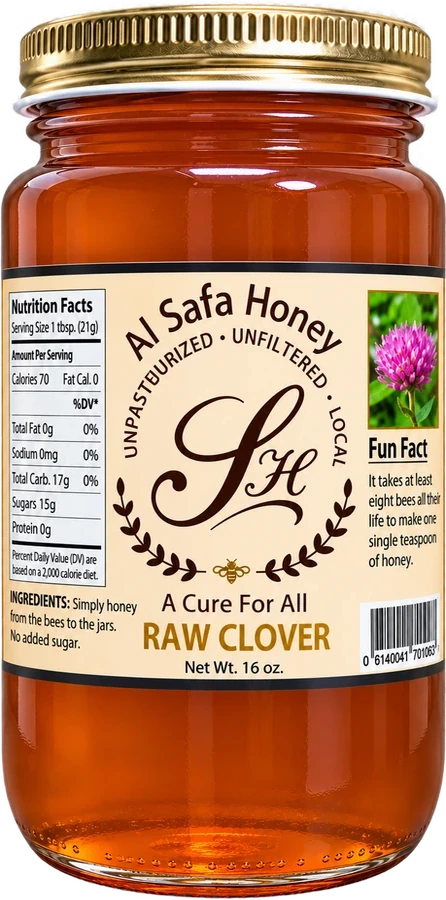
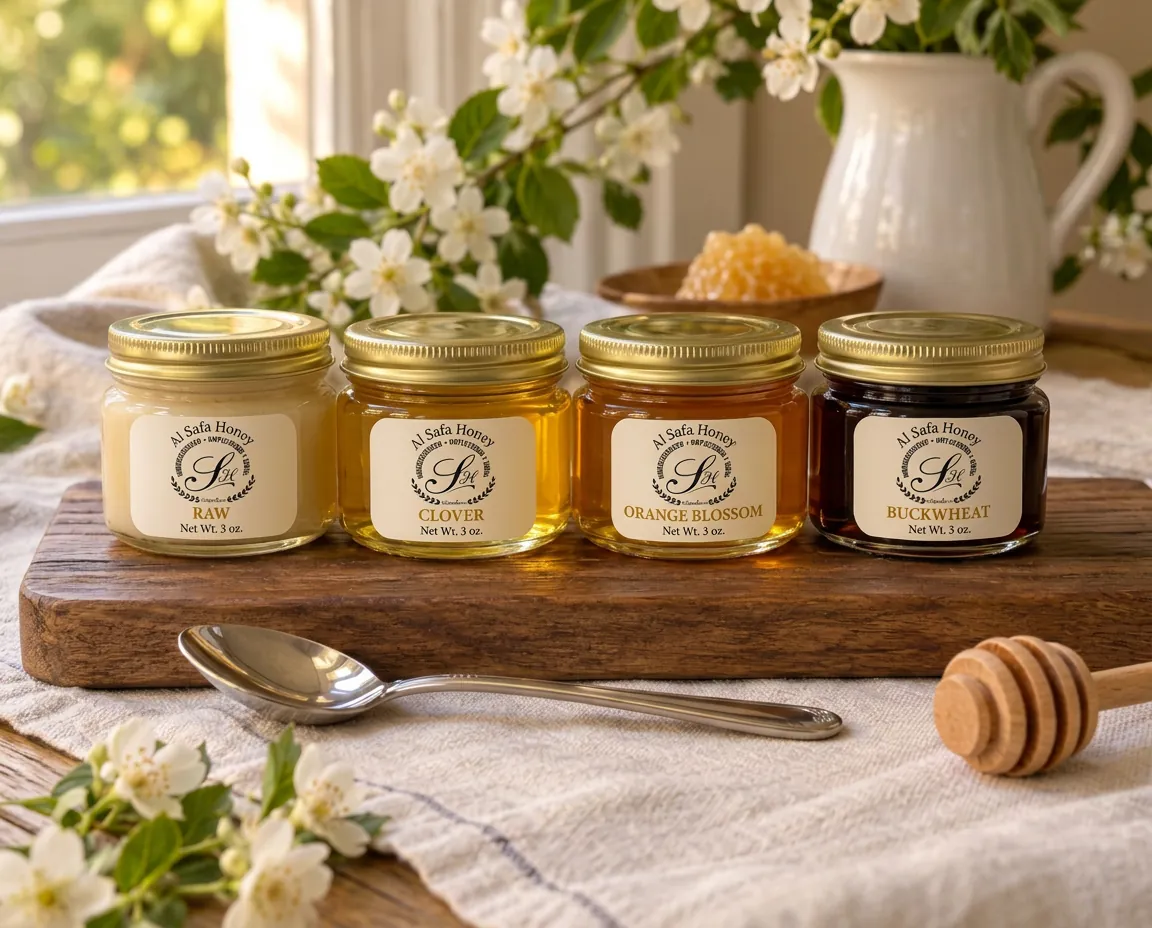
Six of our honeys are harvested in New York State, including Raw Clover Honey and Raw Buckwheat Honey. Raw Knotweed Honey comes from North Dakota, a top honey state, and Orange Blossom from Florida.
The takeaway on honey bees in America
Honey bees in America arrived in 1622, spread west, were transformed by the Langstroth hive and became essential pollinators. They now share the landscape with thousands of native bees and face ongoing health challenges.
Bee trees and frontier honey
On the frontier, settlers went bee hunting: they caught a few foraging bees, released them and watched which way they flew home, a practice called lining bees. The hollow tree they found was a bee tree, and its honey and wax could be a family's main sweetener for months. Stories of bee trees appear in diaries and in the writing of Washington Irving, who described a bee hunt on the prairie in 1832.
Honey bees in America today
Today, beekeepers range from backyard hobbyists with two hives to migratory operations with thousands of colonies that travel by truck between crops. Local beekeeping clubs in nearly every state offer classes for beginners.
Support American beekeeping
Try honey from American hives with the Pure Raw Honey Sampler. Save with a 3 jar or 6 jar pack of any honey, and orders over $50 ship free. Visit our shop.
Sources
Outside health sources we used for this article. They open in a new tab.
- Honeybees in Virginia · Virginia Places
- More than 4,000 native bee species inhabit the United States · U.S. Geological Survey
- Honey (annual report) · USDA National Agricultural Statistics Service
Frequently asked questions
- Are honey bees native to America?
- No. They were brought from England.
- When did honey bees arrive in America?
- In 1622, in Virginia.
- Who invented the modern beehive?
- Lorenzo Langstroth, in 1851.
- What is bee space?
- A gap of about 3/8 inch bees leave open, used in Langstroth hives.
- When did honey bees reach California?
- Around 1853.
- What threatens honey bees in America today?
- Varroa mites, viruses, pesticides and poor forage.
- What state uses a beehive as its symbol?
- Utah.
Al Safa Honey is a food producer, not a medical provider. Nothing here is medical advice, and these statements have not been evaluated by the Food and Drug Administration. Talk to your doctor about any health concern. Never give honey of any kind to a baby under 12 months old.